Market Overview
The prediction market assessing whether active US military personnel will physically enter Iranian territory by April 30 is priced at 98.9% probability, implying only a 1.1% chance the event does not occur. With $159.6 million in volume, the market represents substantial financial commitment to this view. The probability has remained static over the past 24 hours, suggesting the market has reached an equilibrium that reflects current geopolitical assessments. The specific resolution criteria—requiring deliberate entry onto Iranian terrestrial territory for operational purposes, excluding diplomatic missions, contractors, and military advisors—establish a relatively narrow threshold for resolution to \"Yes.\"
Why It Matters
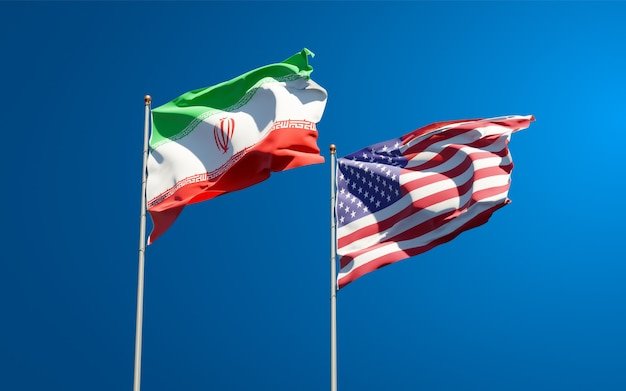
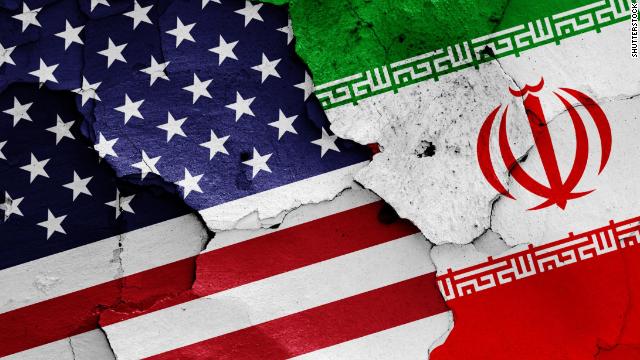
A US military ground incursion into Iran would represent a dramatic escalation in Middle Eastern conflict and reshape regional geopolitics. Such an event could trigger broader regional war, disrupt global energy markets, and upend international relations. The probability assigned by this market thus carries significant implications for how participants assess both near-term military risk and the broader trajectory of US-Iran tensions. Understanding why traders have priced this so high—despite its absence from mainstream geopolitical forecasts as an imminent threat—illuminates either market dysfunction or hidden risk assessments invisible to conventional analysis.
Key Factors
Several drivers may explain the elevated probability. First, the market's long time window—extending through April 30—permits multiple potential trigger scenarios: escalation in regional proxies, retaliation for US strikes, humanitarian operations, or pursuit of non-state actors. Second, the broad definition of \"operational purposes\" encompassing military and humanitarian missions creates multiple resolution pathways. Third, participants may be pricing in tail risks: accidental border incursions, mission creep from neighboring operations in Iraq or Syria, or rapid escalation from current tensions. The market may also reflect risk-averse positioning by some traders who view even low-probability conflicts as requiring hedge positioning. Conversely, the pricing could indicate collective overestimation, where participants extrapolate from historical precedent or current rhetoric without fully accounting for diplomatic restraints and de-escalatory incentives.
Outlook
For the market to move materially lower, several conditions would likely be necessary: a major diplomatic breakthrough reducing US-Iran tensions, explicit statements by US military leadership ruling out ground operations, or passage of significant time without incident. Conversely, intensifying regional proxy conflicts, direct Iranian strikes against US assets, or major shifts in US administration priorities could push probability higher—though the market already prices in substantial risk. The absence of sharp price movement over the past day suggests traders view current geopolitical risk as stable rather than deteriorating. Investors should monitor signals from US military posture in the Gulf region, Iranian rhetoric and actions, and broader Middle East developments—particularly in Iraq and Syria—for potential catalysts that could shift market conviction.