Market Overview
The prediction market on Iran's leadership continuity is trading at 5.7% probability—implying roughly a one-in-18 chance that Mojtaba Khamenei will be removed from his position as de facto leader by April 30, 2025. With $3.76 million in volume, the market has attracted substantial interest from geopolitical traders. The 54% single-day increase in implied probability (from 3.7% to 5.7%) suggests a modest uptick in perceived risk, though the absolute odds remain low, indicating that the market consensus continues to view a near-term leadership change as an unlikely scenario.
Why It Matters
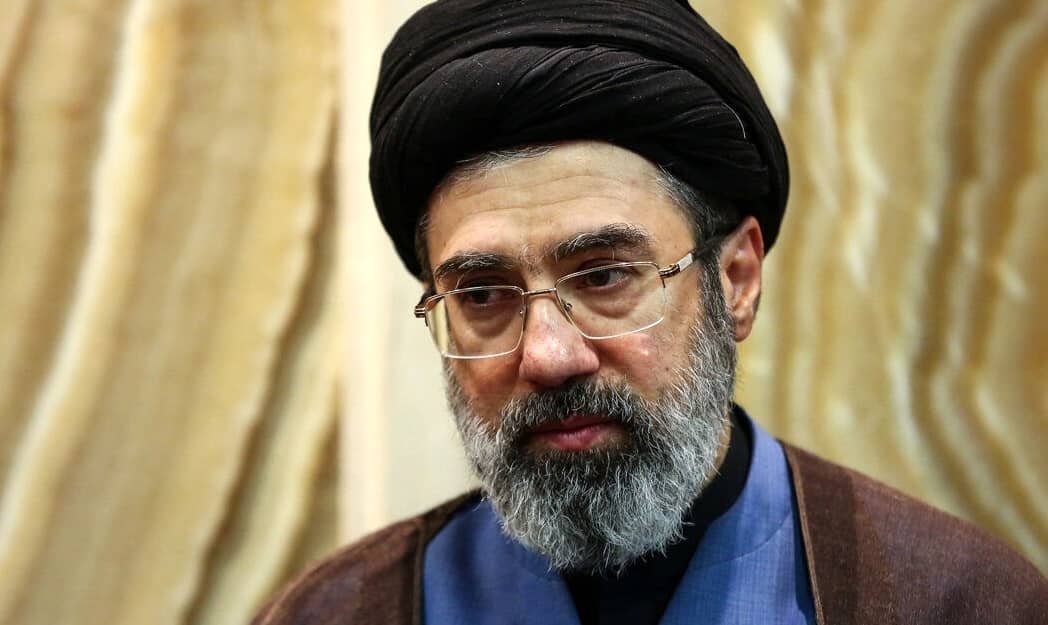
Iran's supreme leadership structure concentrates enormous authority in a single position, making succession events consequential for regional stability, nuclear negotiations, and U.S.-Iran relations. Mojtaba Khamenei, son of late Supreme Leader Ayatollah Ali Khamenei, has been groomed as a potential successor but has not yet formally assumed the position of Supreme Leader. This market essentially prices the probability of either a power struggle that dislodges his de facto control, a sudden incapacitation, or an unexpected political upheaval within four months. Such an event could materially shift Iran's foreign policy stance, its willingness to engage in diplomatic negotiations, or its regional military posture.
Key Factors
Several structural and contingent factors shape market pricing. On the structural side, the Iranian political system remains opaque, and succession mechanisms are poorly formalized, creating inherent uncertainty. Health concerns regarding aging leadership, factional rivalries within the Revolutionary Guards and clerical establishment, and periodic episodes of civil unrest all represent potential pathways to power disruption. The recent 54% increase in implied probability may reflect reporting on internal factional tensions, sanctions pressure, or broader geopolitical instability. However, the probability remains subdued because there are no credible reports of imminent coup attempts, serious health crises, or organized internal challenges to Khamenei's control. The timeframe—less than five months—further constrains the window for such dramatic events, particularly given Iran's typically gradual political transitions.
Outlook
Market participants will likely monitor several indicators: statements from Iranian factional leaders, health reports regarding senior officials, international sanctions developments, and any unexplained absences from public view by Khamenei or other key power brokers. A significant geopolitical escalation (such as military conflict) could increase the odds of internal power struggles, while a return to nuclear diplomacy or reduced external pressure might reduce them. Absent major news, the market's current 5.7% pricing reflects a low-probability tail risk scenario—acknowledging that leadership transitions are possible in an opaque political system while maintaining that the base case remains continuity. Traders should expect volatility in this market following any credible reporting on factional disputes, leadership health, or major policy reversals.