Market Overview
The prediction market for military action against Iran is currently priced at a 100% probability that neither the United States nor Israel will conduct drone, missile, or air strikes on Iranian territory or official Iranian diplomatic facilities through April 17, 2026. With $14.5 million in trading volume, the market has held at this ceiling probability for at least 24 hours, indicating strong consensus among traders that no qualifying strike will occur within the timeframe.
Why It Matters
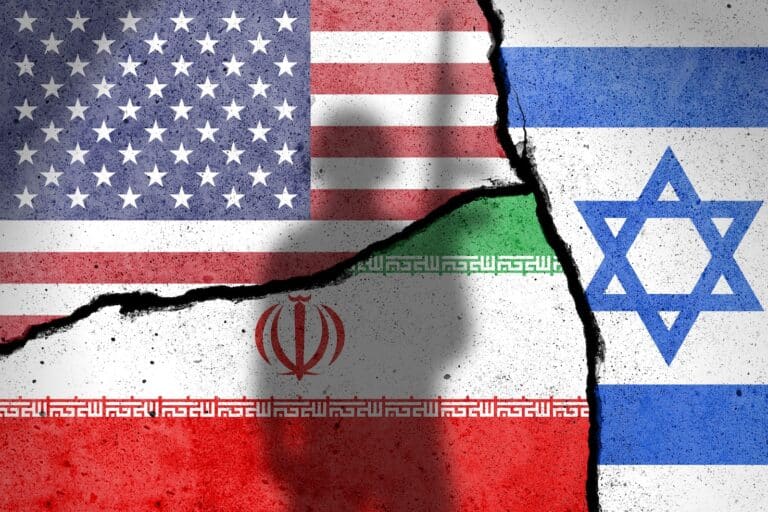
This market serves as a barometer for geopolitical risk in the Middle East, where US-Israel-Iran tensions have periodically escalated into military exchanges. The specific resolution criteria—requiring aerial strikes, drone attacks, or missile strikes to qualify—narrow the scope to higher-intensity military operations rather than conventional warfare or covert activities. For investors, policymakers, and risk analysts, the 100% probability suggests that current market participants see no credible path to direct military confrontation over the next 18+ months, a significant statement given the region's volatility.
Key Factors
Several dynamics underpin the market's current pricing. First, the timeframe extends well into 2026, allowing for substantial shifts in geopolitical circumstances. Second, the recent pattern of direct Iran-Israel exchanges—including the April 2024 Iranian drone and missile barrage and subsequent Israeli responses—has not escalated into sustained campaigns targeting Iranian territory. Third, diplomatic channels, though strained, remain partially functional, and international pressure for restraint continues. The market's definition excludes intercepted missiles and non-aerial operations, which filters out lower-intensity tactical exchanges that have occurred periodically.
However, the 100% probability does reflect the inherent difficulty of pricing black-swan geopolitical events. Major catalysts—such as a significant attack on US allies, regime change scenarios, or major terrorist attribution—could rapidly alter market expectations. The three-day reporting window built into the resolution criteria also introduces some ambiguity, as confirmed attribution of strikes can lag initial military action.
Outlook
The market's current pricing should be interpreted as reflecting a baseline expectation of continued tension management rather than an ironclad forecast. Traders appear to be betting on the persistence of current deterrence dynamics and diplomatic constraints over the next 18 months. Any material shift in Iran's nuclear program escalation, regional proxy activities, or domestic political instability in any of the key actors could trigger significant repricing. The market's extreme confidence also suggests limited liquidity at lower probabilities, meaning that even modest new tensions could produce sharp probability swings if traders begin to hedge geopolitical risk.