Market Overview
The Kharg Island prediction market, with $7.7 million in volume, currently values the probability of Iran losing control of the strategic Persian Gulf installation at just 0.3% by April 15, 2026. This represents a significant repricing from 1.3% twenty-four hours prior, suggesting either a material shift in geopolitical risk assessment or potential market correction. At these odds, traders are pricing an approximately 1-in-333 chance that another state or occupying force establishes primary governmental or military control over the island within the next 14 months.
Why It Matters
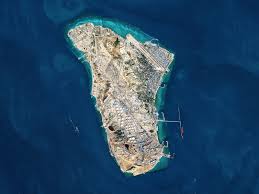
Kharg Island holds substantial strategic and economic significance as the site of Iran's primary oil export terminal and loading facilities. Control of the island would represent a major loss of Iranian sovereignty and revenue capacity. The resolution criteria demand actual, established control rather than temporary military operations—setting a high threshold that reflects the scale of military action required. The market's extreme tilt toward Iranian retention reflects both current geopolitical realities and the substantial military capability Iran would need to defend the island against a determined state-level adversary.
Key Factors
Several dynamics appear to underpin the current probability. First, no current military conflict directly threatens Kharg Island's control, and while regional tensions persist, no coalition has demonstrated intent or active preparations to seize the installation. Second, the resolution criteria explicitly exclude temporary raids, bombardment, or special operations—requiring comprehensive, sustained control by another authority, a far higher bar than tactical strikes. Third, Iran's air and naval defenses around the island, combined with international legal frameworks governing territorial control, create substantial friction against conquest scenarios. The day-prior repricing from 1.3% to 0.3% may indicate either clarifying news reducing escalation risk or algorithmic rebalancing in a thin-traded tail-risk market.
Outlook
For the probability to materially increase, markets would likely require concrete evidence of imminent military planning by a state actor, significant escalation in regional conflict, or explicit territorial demands backed by military mobilization. The current 0.3% pricing reflects a baseline assumption of continued Iranian control absent a major geopolitical rupture. Traders monitoring this market should watch for developments in broader Iran-related conflicts, particularly any sustained military campaign targeting Iranian infrastructure or territorial holdings. The market's extreme tail-risk positioning suggests limited conviction in near-term control transfers, but the volatile recent repricing underscores sensitivity to emerging security developments.