Market Overview
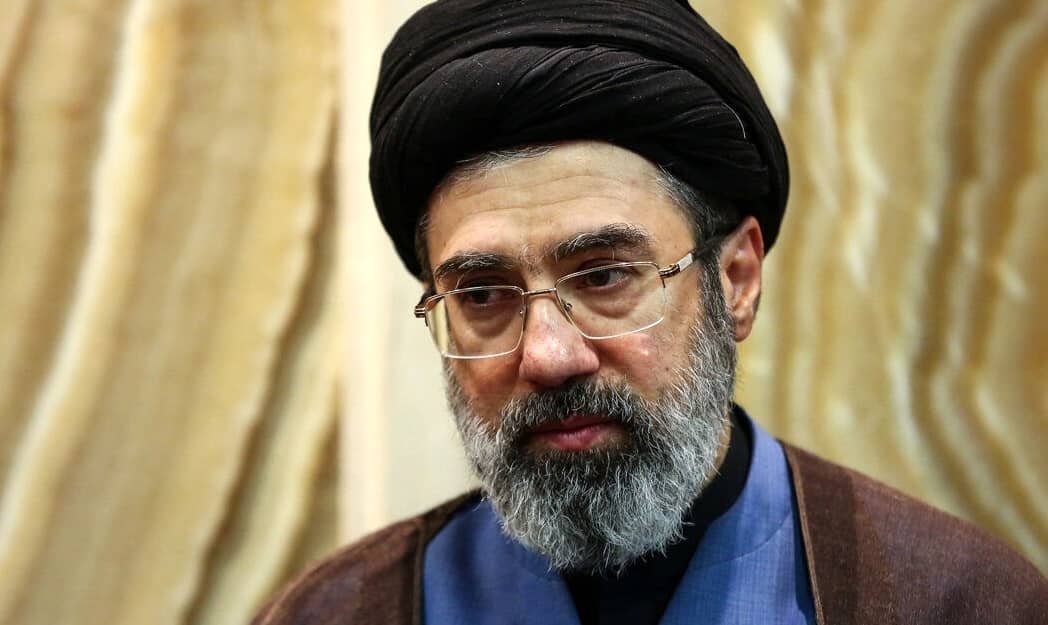
Prediction markets are currently pricing a one-in-three chance that Mojtaba Khamenei will cease to be Iran's de facto leader before the end of the calendar year. The 33.5% probability reflects substantial market uncertainty about the stability of Iran's leadership structure, with nearly $2.1 million in volume indicating sustained trader interest in the outcome. The probability has remained stable over the past 24 hours, suggesting the market has reached an equilibrium assessment of the risks involved.
Why It Matters
The potential succession of Iran's Supreme Leader represents one of the most consequential geopolitical developments possible in the Middle East. Mojtaba Khamenei, as the son and presumed heir of long-serving Supreme Leader Ayatollah Ali Khamenei, occupies a uniquely sensitive position in Iran's power structure. Any transition would likely trigger significant uncertainty in Iranian domestic politics, regional security calculations, and international relations. The market's assignment of meaningful odds to this outcome reflects recognition that despite the Supreme Leader's considerable institutional power, pathways to leadership change—whether through removal, detention, or loss of de facto control—exist within the timeframe under consideration.
Key Factors
Several dynamics appear to be driving the market's moderate-to-elevated probability assessment. Iran faces persistent economic pressures, international sanctions, and ongoing regional conflicts that could create instability at the highest levels of government. Domestic political factions within Iran's leadership structure have historically competed for influence, and succession scenarios remain a latent source of potential friction. The market's definition explicitly includes scenarios beyond assassination or formal removal—including detention or prevention from acting as de facto leader—which broadens the resolution criteria. Additionally, the relatively compressed timeframe of approximately 11 months introduces time-decay considerations; the longer the period without incident, the lower the probability tends to become as the deadline approaches.
Outlook
The stability of the 33.5% probability suggests traders view the leadership transition as a plausible but far from inevitable event. The market will likely remain sensitive to reporting on Iranian domestic politics, health developments involving senior leaders, escalations in regional conflicts, or unexpected political developments in Tehran. Significant movements in the probability would likely require either credible reporting of concrete threats to Khamenei's position or, conversely, clear signals of institutional consolidation around his leadership. Given the opacity of Iranian decision-making and the limited availability of reliable information about senior leadership dynamics, this market may remain elevated relative to base-rate expectations throughout the remainder of the year.