Market Overview
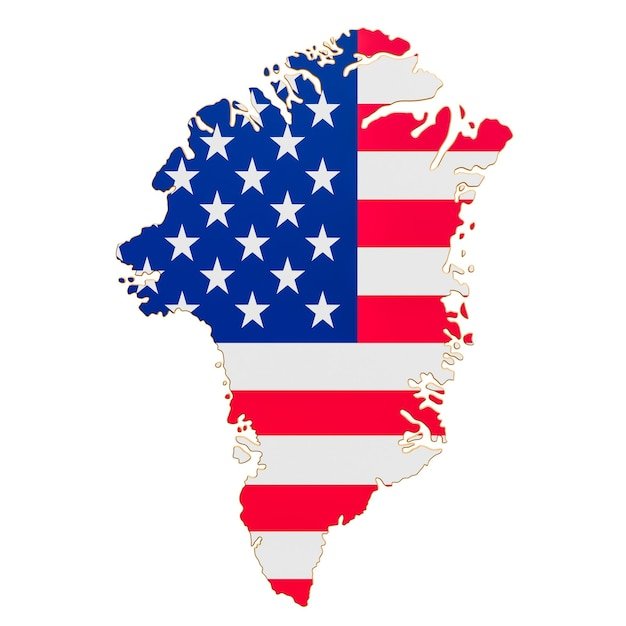
Prediction markets are pricing the probability of U.S. acquisition of Greenlandic territory at 14% through December 31, 2026. With nearly $9.7 million in trading volume, the market reflects substantial interest in a question that intersects geopolitical ambition, international law, and diplomatic negotiation. The stable probability over the past 24 hours suggests traders have settled on a relatively modest assessment of near-term acquisition prospects, despite periodic public statements of interest from U.S. officials.
Why It Matters
Greenland holds strategic significance for Arctic resources, geopolitical positioning, and security considerations. Any formal transfer of sovereignty or exclusive U.S. jurisdiction would represent a major shift in the Arctic balance of power and mark an extraordinary departure from post-World War II norms of territorial acquisition. The market's 14% probability reflects genuine uncertainty about whether diplomatic or legal mechanisms could overcome the substantial institutional, legal, and political barriers to such a transfer within the specified timeframe. The resolution criteria are explicitly narrow: only binding agreements establishing sovereignty transfer or primary/exclusive U.S. jurisdiction qualify, excluding non-binding statements, base-use agreements, or commercial arrangements.
Key Factors
Several factors constrain the probability below speculative heights. Denmark maintains formal sovereignty over Greenland, and while Greenland has internal self-governance, Denmark retains control over foreign affairs and defense. Greenlandic public opinion and political leadership would need to align with any transfer, creating a substantial political hurdle. International law and precedent make unilateral territorial acquisition through force an outlier scenario in the modern era, though the resolution criteria explicitly account for this possibility. The 18-month timeframe through December 2026 is relatively compressed for negotiating and formalizing complex sovereignty arrangements, though it is not prohibitively short given sufficient political will.
The market's pricing suggests traders view acquisition as possible but unlikely. A 14% probability implies meaningful doubt about whether current geopolitical interest will translate into binding legal instruments within the deadline. This assessment likely reflects the gap between public expressions of interest and the diplomatic machinery required to execute formal territorial transfer.
Outlook
Material shifts in this market would likely require explicit progress toward binding agreements—not mere negotiations or statements of intent. Developments triggering higher probabilities would include signed treaties or legislation creating defined U.S. jurisdiction in Greenland, announcements of formal sovereignty transfer, or other binding legal instruments meeting the resolution criteria. Conversely, public statements ruling out acquisition or affirming Danish sovereignty could reduce probabilities. The stable 24-hour price suggests the market is currently pricing in baseline geopolitical interest while discounting near-term institutional barriers. Traders monitoring this market should focus on official government communications and concrete legal developments rather than periodic diplomatic statements.