Market Overview
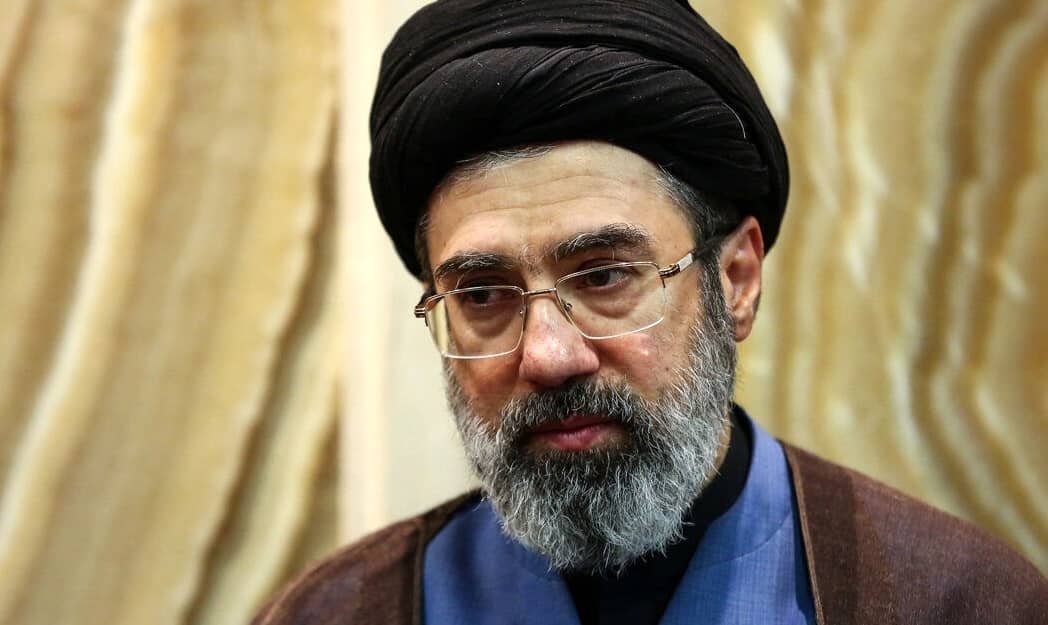
Prediction markets currently assess a 33.5% probability that Mojtaba Khamenei, the presumed heir to Iran's Supreme Leader position, will lose his de facto leadership role by year-end. The market has held stable at this level over the past 24 hours, with over $2 million in trading volume indicating substantial liquidity and investor engagement. This probability implies roughly one-in-three odds of a significant leadership transition within Iran's power structure during the remaining months of 2024—a material level of uncertainty that underscores the volatile nature of succession planning in Iran's theocratic system.
Why It Matters
Mojtaba Khamenei's status as the de facto leader represents a critical juncture in Iranian politics. As the son of Supreme Leader Ayatollah Ali Khamenei, Mojtaba has been widely expected to assume the top position following his father's eventual departure. A leadership transition involving Mojtaba would signal either an unexpected health crisis within Iran's senior hierarchy or a fundamental shift in the succession framework itself. Such an event would have far-reaching implications for Iran's domestic policy, regional strategy, and international relations, potentially creating uncertainty for Western powers, Gulf allies, and other regional stakeholders who assess Iran's future trajectory.
Key Factors
Several considerations appear to be driving the 33.5% probability assessment. The health and longevity of Supreme Leader Ali Khamenei—Mojtaba's father—remains a background variable, though the older Khamenei continues to perform official duties. Internal factional competition within Iran's political establishment, between hardline conservatives and reformists, could affect the succession path regardless of the Supreme Leader's status. Political instability stemming from economic pressures, recurring protests, or external conflicts could also accelerate or disrupt anticipated transitions. Additionally, the resolution criteria—which include removal from power, detention, or loss of position—cast a reasonably wide net, encompassing scenarios ranging from outright removal by rival factions to health-related incapacity or international pressure. The 33.5% level suggests traders perceive meaningful probability for one or more of these scenarios occurring within the specified timeframe.
Outlook
The stable price suggests the market has already incorporated available information and current geopolitical conditions. Developments that could shift the probability include confirmed reports of health crises among senior Iranian leadership, evidence of internal power struggles, major external security events, or any official announcement regarding succession frameworks. Conversely, clearer public appearances and consolidation of Mojtaba's institutional role could reduce the perceived transition risk. Given the opaque nature of Iranian internal politics and the limited availability of reliable real-time information about senior officials' conditions, this market is likely to remain sensitive to incremental news and analysis from credible Iran-watching sources.