Market Overview
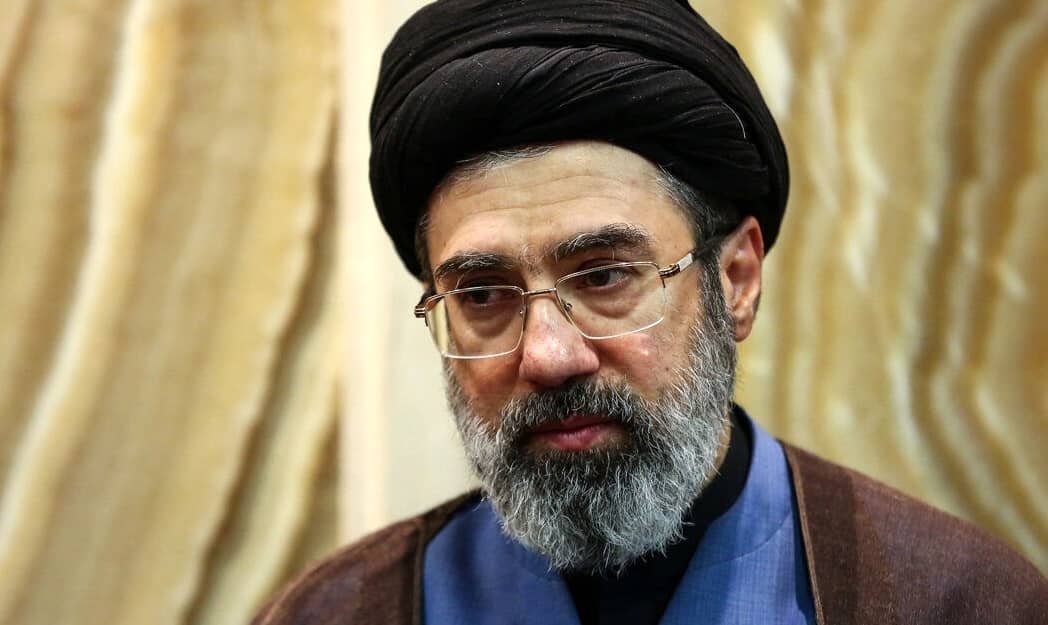
Prediction markets are currently assigning a 33.5% probability to a leadership change in Iran by December 31, with substantial trading volume of over $2 million suggesting meaningful interest in the outcome. The market focuses specifically on whether Mojtaba Khamenei—the Supreme Leader's son and widely viewed as his heir apparent—will lose his de facto leadership position through removal, detention, or forced incapacity before year-end. This represents a significant threshold: one-third odds reflect genuine uncertainty about near-term succession dynamics in one of the Middle East's most consequential political systems.
Why It Matters
Succession in Iran's theocratic system carries implications far beyond Tehran. The Supreme Leader controls the military, judiciary, and state media, making any transition a pivotal moment for regional geopolitics, nuclear negotiations, and domestic policy. Mojtaba Khamenei's elevation would represent a consolidation of dynastic control within Iran's ostensibly meritocratic clerical hierarchy, potentially signaling continuity of hardline policies. Conversely, a competing succession scenario—whether through internal power struggles, institutional intervention, or external pressure—could alter Iran's strategic posture. Markets assign meaningful probability to both paths, reflecting genuine analytical disagreement about the succession's timing and nature.
Key Factors
The 33.5% probability reflects several cross-cutting considerations. Supreme Leader Ayatollah Ali Khamenei is 85 years old, and periodic reports about his health status introduce genuine uncertainty about the succession timeline. Mojtaba Khamenei's relative youth and lack of independent institutional base create vulnerability; he lacks the religious credentials and decades-long revolutionary legitimacy his father possessed, potentially inviting opposition from competing clerical factions or Revolutionary Guard commanders. Internal Iranian politics feature deep factional divisions between hardliners and pragmatists, with powerful figures including competing ayatollahs and military leaders who may resist a dynastic succession perceived as delegitimizing the system's meritocratic pretenses. The market's stable pricing over the past 24 hours suggests traders are pricing a structural baseline rather than reacting to breaking developments; the one-in-three odds reflect persistent, unresolved uncertainty rather than imminent crisis signals.
Outlook
The probability could shift materially on several developments: announcements regarding the Supreme Leader's health, visible power consolidation by Mojtaba Khamenei within institutions, statements from rival factions challenging succession plans, or broader political crises forcing accelerated transitions. Conversely, successful institutional positioning and consensus-building among clerical elites could reduce uncertainty and lower the probability. The 12-month timeframe means the market is pricing near-term rather than speculative succession risk, suggesting traders view meaningful transition probability as concentrated in the coming months rather than treated as distant possibility. Resolution will depend on credible reporting of any catalyzing event, making media confirmation and international consensus potential resolution triggers.