Market Overview
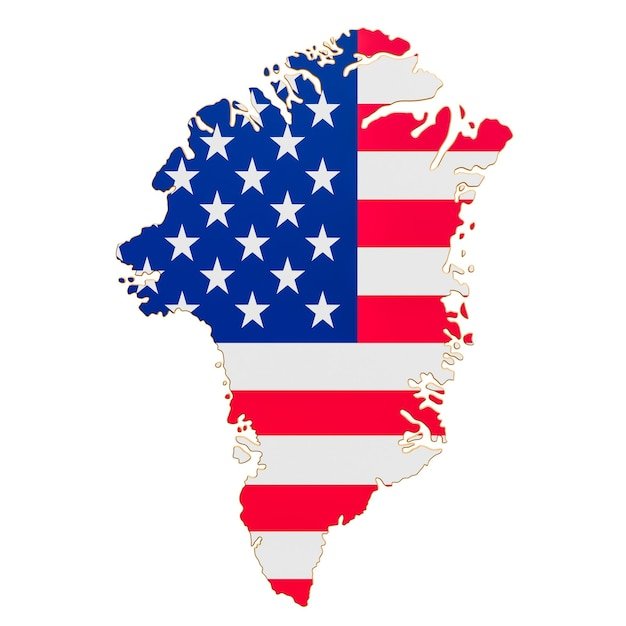
Prediction markets are valuing the probability of U.S. acquisition of Greenlandic territory at 14%, with trading volume exceeding $9.6 million indicating substantial investor interest despite the low baseline odds. The probability has remained stable over recent trading sessions, suggesting the market has reached an equilibrium assessment of this geopolitical scenario. The resolution criteria are deliberately comprehensive, qualifying any binding agreement that transfers sovereignty or establishes primary U.S. jurisdiction over a defined area—including via treaty, legislation, or even military action—but explicitly excluding non-binding statements, negotiations, or standard basing agreements.
Why It Matters
The market captures a scenario that seemed purely hypothetical until recently but has become part of official U.S. policy discourse. Control of Greenlandic territory would have significant strategic implications, given the island's Arctic location, geopolitical importance, and potential natural resources. The high trading volume relative to the low probability suggests participants view this as a tail-risk scenario worth hedging or speculating on, rather than dismissing it outright. For markets participants, the question hinges on whether diplomatic negotiations could yield an actual transfer of sovereignty or jurisdiction—a historically uncommon outcome in modern international relations.
Key Factors
Several dynamics shape market pricing. First, Greenland's political status remains tied to Denmark, with Denmark firmly opposed to any separation or territorial cession. Greenlandic public opinion has similarly shown little appetite for U.S. control, though some elected officials have discussed economic development partnerships. Second, the U.S. would need to negotiate not with one government but effectively two: both Denmark and Greenland's Home Rule government. Third, the resolution criteria are strict—mere access agreements, leasing arrangements, or basing rights do not qualify, meaning any transaction would require an extraordinarily formal legal instrument transferring actual control. Fourth, the 24-month timeframe (through end-2026) is compressed for what would be a complex international negotiation, involving potential legislative action in multiple countries.
Outlook
The 14% probability reflects a market view that while U.S. interest appears genuine, the political and legal barriers to actual sovereignty transfer remain very high. For the probability to materially increase, traders would likely need to see concrete movement such as formal treaty negotiations, legislative proposals with substantive backing, or explicit statements from Danish and Greenlandic governments signaling openness to discussing jurisdiction transfers. Conversely, explicit rejections or diplomatic setbacks could compress the odds further. The market's current pricing suggests participants assess this outcome as plausible but unlikely within the given timeframe—a reasonable reflection of the gap between stated strategic interest and the practical difficulty of restructuring international boundaries in the modern era.


