Market Overview
Prediction markets are currently pricing a one-in-three chance that Mojtaba Khamenei will cease to be Iran's de facto leader by the end of this year. The 33.5% probability, supported by substantial trading volume of over $2 million, suggests meaningful uncertainty about the near-term stability of Iran's power structure, even as no imminent transition appears likely. The static price over the past 24 hours indicates the market has settled into an equilibrium reflecting existing geopolitical conditions rather than reacting to breaking news.
Context and Succession Dynamics
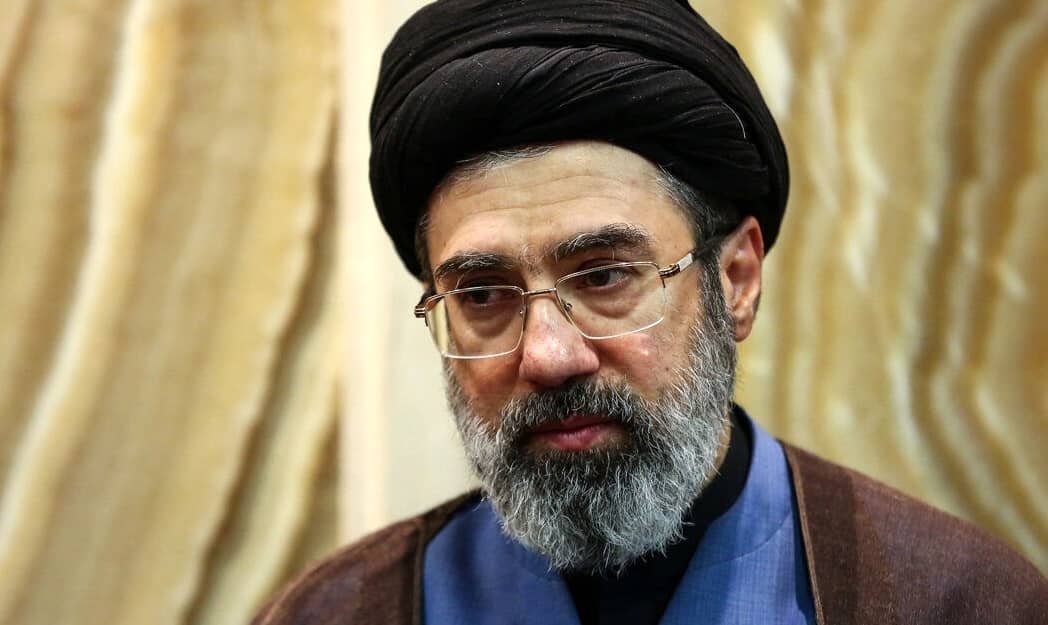
Mojtaba Khamenei, the son of former Supreme Leader Ayatollah Khamenei who died in 2024, has consolidated significant authority within Iran's power structure. The market's assessment of a one-third probability of his removal or loss of de facto control by year-end reflects both the inherent uncertainties of succession in authoritarian systems and the range of mechanisms—from internal power struggles to external intervention—that could disrupt his position. The resolution criteria encompassing removal, detention, or any loss of ability to act as de facto leader cast a relatively wide net for what constitutes a transition event.
Key Factors Driving Probability
Several factors support the elevated but not dominant probability. Iran's domestic political environment remains fractious, with competing factions within the Revolutionary Guards, clergy, and state apparatus. International pressure—including sanctions and potential military confrontation—could theoretically destabilize the regime. However, offsetting these risks is the apparent consolidation of support behind Mojtaba Khamenei among key security and military institutions in recent months. The relatively high probability likely reflects structural fragility inherent to systems built on personalistic authority rather than imminent signs of collapse. The distinction between de facto and de jure power also matters; even partial loss of control could qualify for resolution.
Outlook and Potential Catalysts
The probability could shift based on several developments. Escalation of regional conflicts, major shifts in factional alignments within Iran's establishment, or health emergencies affecting key figures could increase transition odds. Conversely, demonstrated consolidation of institutional support or improved economic conditions might reduce the probability below current levels. The year-end deadline means significant events would need to materialize within a compressed timeframe; markets may be pricing in tail risks—low-probability but high-impact scenarios—rather than baseline expectations of rapid change. Traders should monitor reporting on internal Iranian politics, factional developments, and regional security dynamics as key indicators of market repricing.