Market Overview
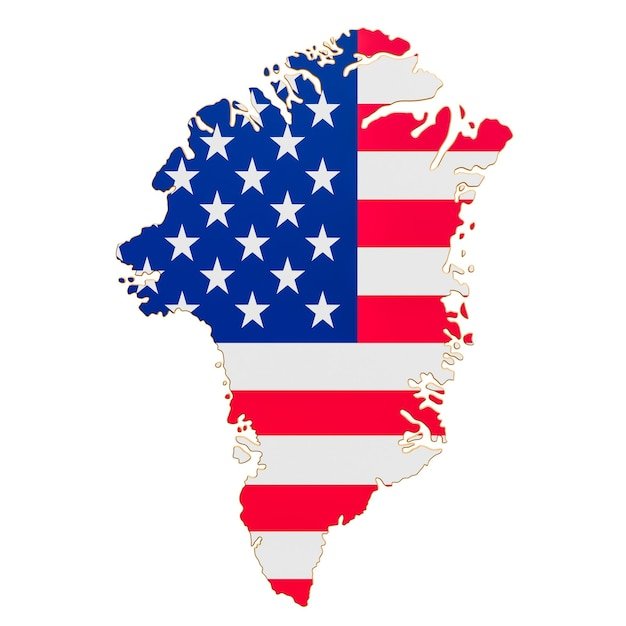
Prediction markets currently price the probability of U.S. acquisition of Greenlandic territory at 14%, with substantial trading volume of $9.7 million indicating active interest from participants despite the low odds. The probability has remained stable at this level over the past 24 hours, suggesting the market has reached an equilibrium valuation. The resolution criteria are stringent, requiring either a transfer of sovereignty, binding agreements establishing primary or exclusive U.S. jurisdiction over defined territory, or acquisition through force—eliminating non-binding proposals, negotiations, and access agreements from qualifying.
Why It Matters
The market reflects underlying uncertainty about a proposal that has moved from apparent jest to serious policy discussion. Former President Trump and other officials have publicly discussed U.S. interest in acquiring Greenland, citing strategic location and resource considerations. However, the concept faces substantial political and diplomatic obstacles. Denmark retains sovereignty over Greenland, and the territory's government has explicitly rejected any transfer. The U.S. has historically respected this arrangement, and no binding legislative or treaty framework currently exists to facilitate such a transaction. At 14%, the market is pricing meaningful skepticism while avoiding dismissing the possibility entirely.
Key Factors
Several dynamics influence the current pricing. First, the political will in Washington remains uncertain; while interest has been expressed, no formal negotiation or legislative proposal has emerged. Second, Danish and Greenlandic opposition is substantial and clearly stated, creating a significant diplomatic barrier. Third, the resolution window is short—less than 24 months remain—limiting the timeframe for the lengthy diplomatic, legislative, and legal processes that would be required. Fourth, international law and precedent favor respecting territorial sovereignty, though the resolution criteria do allow for acquisition through force, which markets typically price at extremely low probability in peacetime scenarios between allied nations. Finally, resource competition and Arctic geopolitical significance provide background context that could theoretically shift negotiating leverage, though this remains speculative.
Outlook
For the probability to move substantially higher, the market would likely require tangible evidence of serious diplomatic engagement, legislative movement, or shifts in Danish or Greenlandic positions. Conversely, explicit rejections or statements against negotiation from Copenhagen or Nuuk could push odds lower. The current 14% appears to reflect a baseline acknowledgment that unexpected diplomatic breakthroughs or geopolitical shifts are possible, while mainstream expectations remain that territorial transfer is highly unlikely. Traders should monitor official statements from U.S., Danish, and Greenlandic governments, as well as any binding legislative or treaty proposals, which represent the only paths that would satisfy the market's stringent resolution criteria.