Market Overview
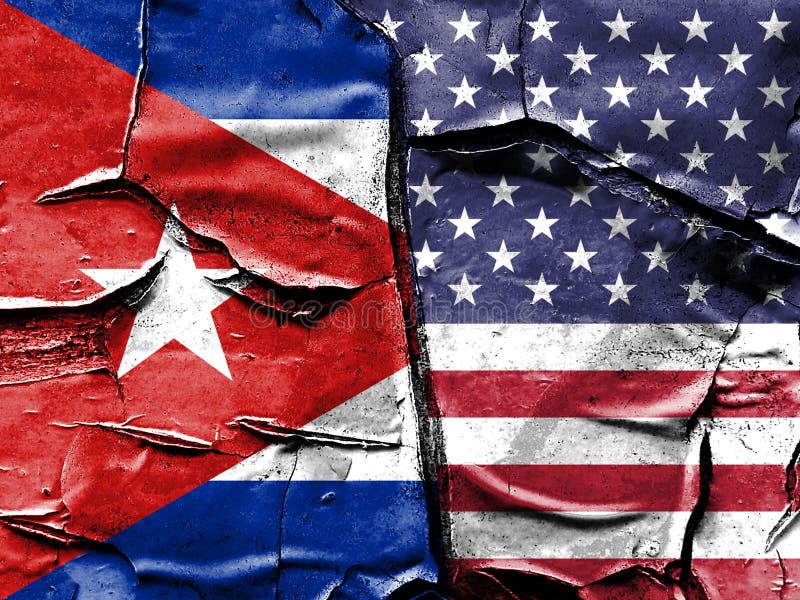
Prediction markets are assigning roughly one-in-three odds to a US airstrike, drone strike, or missile strike on Cuban territory before December 31, according to current pricing at 36.5%. The market, which has maintained this probability level over the past 24 hours amid $1 million in trading volume, suggests traders view military action as a material possibility rather than a remote contingency, yet still regard a no-strike outcome as more likely.
The market's definition of a qualifying strike is narrowly tailored to aerial ordnance: drone strikes, missiles (including cruise and ballistic variants), and aerial bombs launched by US military forces, intelligence agencies, or other government operatives must physically impact Cuban territory. Intercepted strikes, naval bombardment, ground incursions, and cyberattacks do not qualify. The resolution standard requires consensus credible reporting by the close of the second day following any event, creating a high evidentiary bar.
Why It Matters
A direct US military strike on Cuba would represent a dramatic escalation in hemispheric tensions and a significant departure from decades of post-Cold War restraint, despite longstanding US-Cuba antagonisms. Such an action would carry substantial international diplomatic consequences, potential retaliation risks, and domestic political ramifications. The 36.5% probability suggests market participants assess non-trivial risk of this scenario while acknowledging strong structural headwinds against it.
Key Factors
Several variables appear to be driving the market's moderate-to-elevated probability assessment. Contemporary US-Cuba relations remain strained, with periodic flare-ups over sovereignty, alleged attacks on US personnel, and broader hemispheric interests. The incoming Trump administration's historically more assertive foreign policy posture and unpredictability may be contributing to the perceived risk. Additionally, any credible intelligence regarding imminent threats emanating from Cuba—whether involving terrorism, narcotics trafficking, or other national security concerns—could theoretically shift the calculus toward military action.
Counterbalancing these factors are significant practical and political constraints. Cuba's geographic proximity to US territory and NATO allies, the absence of a declared military threat requiring immediate response, longstanding diplomatic channels, and the international legal complications of unprovoked military strikes all argue against escalation. The market's 63.5% no-strike probability reflects these structural impediments to direct military action.
Outlook
Movement in this market will likely depend on three categories of developments: major security incidents attributed to Cuban entities, explicit policy statements from US leadership regarding military options, or significant escalations in US-Cuba tensions. Short of such triggering events, the market may remain range-bound near current levels. The relatively high volume suggests active trader interest in geopolitical risk positioning, but the stability of pricing over the past day indicates no immediate consensus shift. Market participants will be monitoring statements from the incoming administration, any intelligence disclosures, and bilateral tensions throughout the coming weeks.