Market Overview
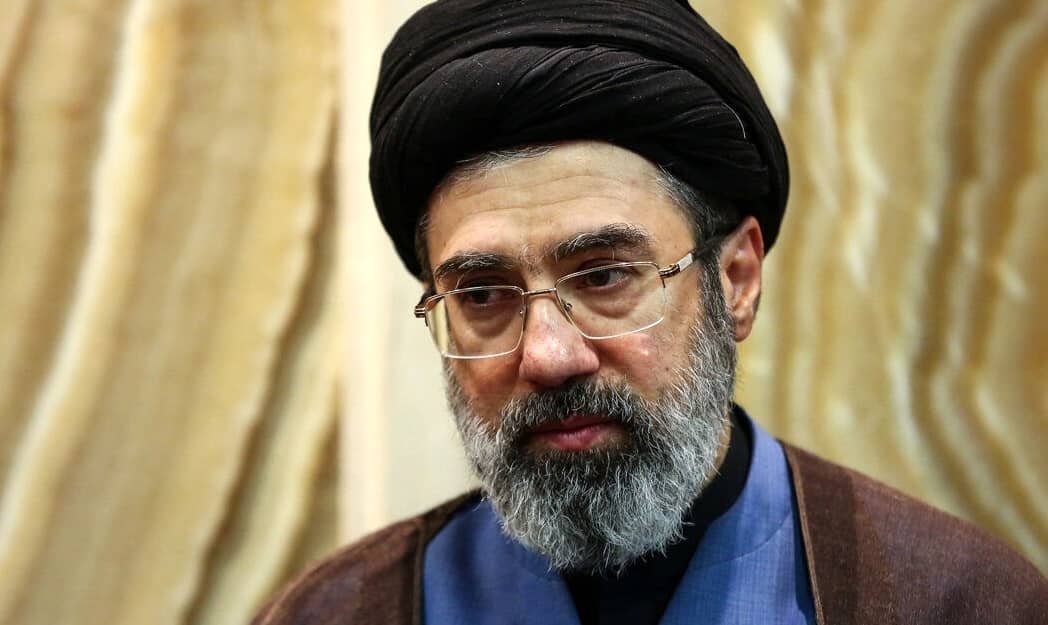
Prediction markets are currently pricing a roughly one-in-three chance that Mojtaba Khamenei will no longer serve as Iran's de facto supreme leader by the end of 2024. With trading volume exceeding $2 million, the market indicates material interest in Iran's succession question, though the probability has remained stable at 33.5% over the past day, suggesting no recent catalyst has shifted sentiment sharply.
The market's resolution criteria are explicit: Khamenei would need to be removed from power, detained, or otherwise prevented from acting as de facto leader. An official announcement of resignation or removal would trigger a \"Yes\" resolution regardless of implementation timing. This framework attempts to capture both formal and practical loss of authority.
Why It Matters
The succession of Iran's supreme leader represents one of the highest-stakes transitions in Middle Eastern politics, with implications for regional stability, nuclear diplomacy, and U.S.-Iran relations. Mojtaba Khamenei, the son of long-serving Supreme Leader Ayatollah Ali Khamenei, has been widely discussed as a potential successor, though he holds no official constitutional position. Any succession event would likely reflect either significant health deterioration of the incumbent supreme leader or internal political upheaval within Iran's power structure.
Key Factors
The 33.5% probability reflects several competing considerations. Ayatollah Ali Khamenei is 85 years old, making succession planning a latent reality within Iranian political circles, yet he has shown no public signs of imminent departure. The timeframe—roughly nine months from market creation—is relatively short for such a seismic political event outside of health crisis scenarios. However, Iran faces persistent domestic instability following 2022 protests, economic pressures, and factional tensions, which some analysts argue could accelerate power transitions.
Market participants appear to be pricing a meaningful but not dominant probability of transition, suggesting skepticism that succession occurs within this specific window while acknowledging genuine uncertainty about Iranian leadership stability. The consensus of credible reporting standard for resolution adds another layer of interpretation difficulty, as the scale and nature of any transition event would influence reporting clarity.
Outlook
Developments that could shift the market include credible reporting on the health status of Iran's current supreme leader, statements from Iranian officials regarding succession planning, or any domestic political crisis that destabilizes the current power structure. The market will likely remain sensitive to geopolitical developments affecting Iran's internal politics, including fallout from regional conflicts or shifts in factional balance within the Iranian system. Without a clear catalyst, the probability may remain in this range unless new information emerges regarding succession preparedness or leadership health.