Market Overview
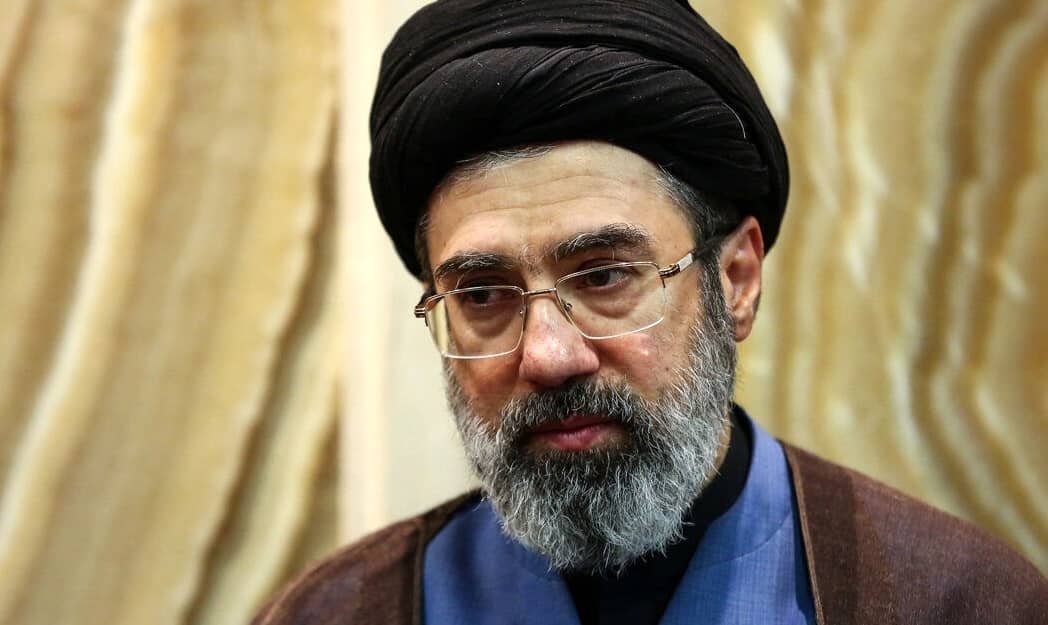
Prediction markets are pricing a roughly one-in-three chance that Iran's Supreme Leader Mojtaba Khamenei will cease to be the de facto leader of the country before the end of 2024. The market, which has accumulated $2.08 million in trading volume, maintains a steady 33.5% probability—indicating neither sharp optimism nor pessimism among traders about near-term leadership change. The definition encompasses removal from power, detention, resignation, or any circumstance preventing him from functioning as de facto leader.
Why It Matters
Iran's supreme leader holds ultimate authority over the military, judiciary, and state media, making any leadership transition a significant geopolitical event with potential implications for regional stability, nuclear negotiations, and U.S.-Iran relations. The current probability reflects genuine uncertainty rather than consensus expectation, suggesting traders view a transition within six months as possible but not probable. Any such change could substantially alter Iran's foreign policy posture and internal governance during a period of elevated regional tensions.
Key Factors Driving the Probability
Several factors appear to underpin the market's moderate-to-elevated odds. Health and succession concerns surrounding the aging Iranian leadership have been persistent diplomatic subjects, with Khamenei now in his mid-80s. Regional instability, including proxy conflicts and sanctions pressure, creates potential triggering events. Domestic political fractures—evidenced by periodic purges and power struggles among factions—introduce unpredictability into Iran's power structure. Additionally, the market's definition captures not only death or forced removal, but also incapacity or loss of de facto control, which broadens the scenarios that would trigger a \"Yes\" resolution. However, the entrenched security apparatus and Khamenei's historical consolidation of power work against rapid change, explaining why the probability remains below 50%.
Outlook
The market's stability over the past 24 hours suggests traders view the current probability as reasonably equilibrated, absent major news. Movement would likely require either credible reporting on Khamenei's health, a significant internal power struggle, or external developments—such as military conflict or economic crisis—that destabilize his control. Resolution hinges on consensus from credible reporting sources, setting a relatively high bar for triggering a \"Yes\" outcome. For investors, the 33.5% probability implies meaningful but minority-case odds; any narrative developments concerning Iranian leadership stability or succession planning would likely move the market meaningfully.