Market Overview
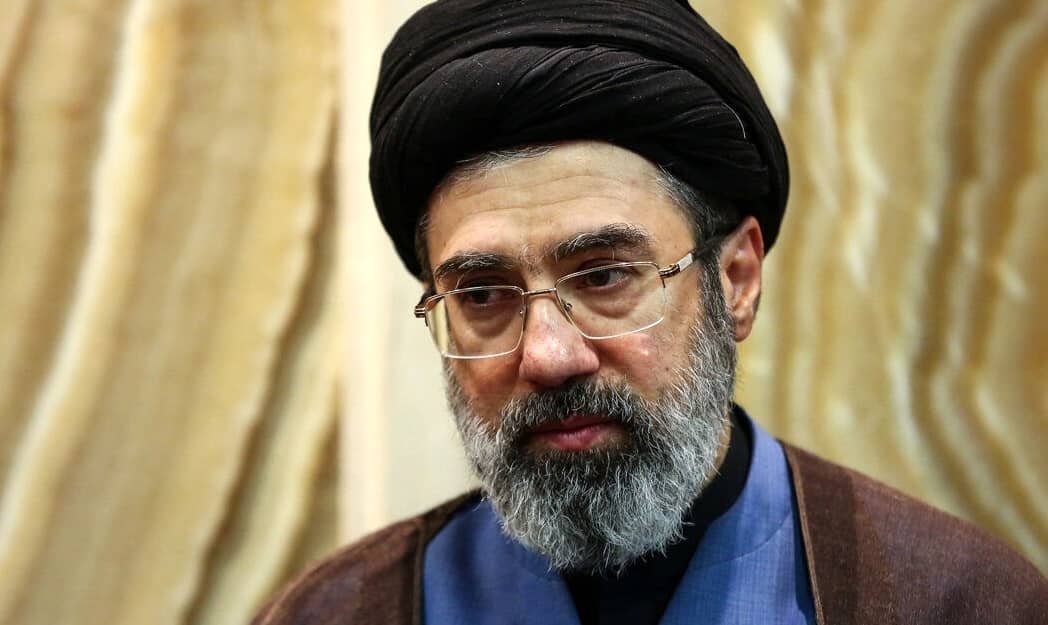
Prediction markets are assigning roughly one-in-three odds that Mojtaba Khamenei will lose his position as Iran's de facto leader before December 31, 2024. The market has recorded approximately $2.08 million in trading volume with stable pricing at 33.5% probability over the past 24 hours. The resolution criteria are broad, encompassing removal from power, detention, or any circumstance that prevents Khamenei from functioning as the de facto leader. An official announcement of resignation or removal would trigger a \"Yes\" resolution regardless of implementation timing.
Why It Matters
The succession question in Iran carries significant geopolitical implications. Mojtaba Khamenei, the son of Supreme Leader Ayatollah Ali Khamenei, has been widely viewed as a potential successor to his aging father. Any change in leadership—whether through succession, forced removal, or death—could reshape Iran's domestic politics and its foreign policy orientation at a moment of regional tension. The market's willingness to price in a substantial probability of leadership change reflects the inherent unpredictability of succession dynamics in non-democratic systems and the multiple pathways through which such transitions can occur.
Key Factors
Several dynamics are likely influencing the 33.5% probability assessment. The advanced age of Supreme Leader Ayatollah Ali Khamenei (85) makes succession planning a latent concern, though whether Mojtaba specifically becomes the de facto leader versus other contenders remains uncertain. Internal Iranian factional competition between hardliners and reformists, ongoing economic pressures, and the impact of international sanctions all create potential instability. Additionally, the resolution criteria encompassing detention or loss of functioning capability—not just formal removal—casts a wider net than ceremonial succession alone. However, the fact that the status quo scenario still represents two-thirds of the market probability suggests traders view Mojtaba maintaining his current position as the more likely outcome through the designated timeframe.
Outlook
Movement in this market would likely be triggered by significant developments affecting Iran's internal stability or explicit signals regarding succession planning within the regime. Health developments, major factional crackdowns, or reports of political changes could shift probabilities meaningfully. The stable 24-hour pricing suggests the market has incorporated available information without recent catalyst events. The remaining months to year-end will likely clarify whether current geopolitical and health-related uncertainties resolve toward succession-driven change or toward continuity of the current leadership structure.