Market Overview
The prediction market on Iran's leadership succession has stabilized at a 33.5% probability that Mojtaba Khamenei will no longer serve as de facto Supreme Leader by year-end, with trading volume exceeding $2 million indicating sustained investor interest in the outcome. The market remains unchanged from 24 hours prior, suggesting consensus pricing around the current odds rather than reaction to breaking developments. This implies traders currently assess a moderate but meaningful chance of a transition within the timeframe, distinct from both highly unlikely scenarios and near-certain outcomes.
Why It Matters
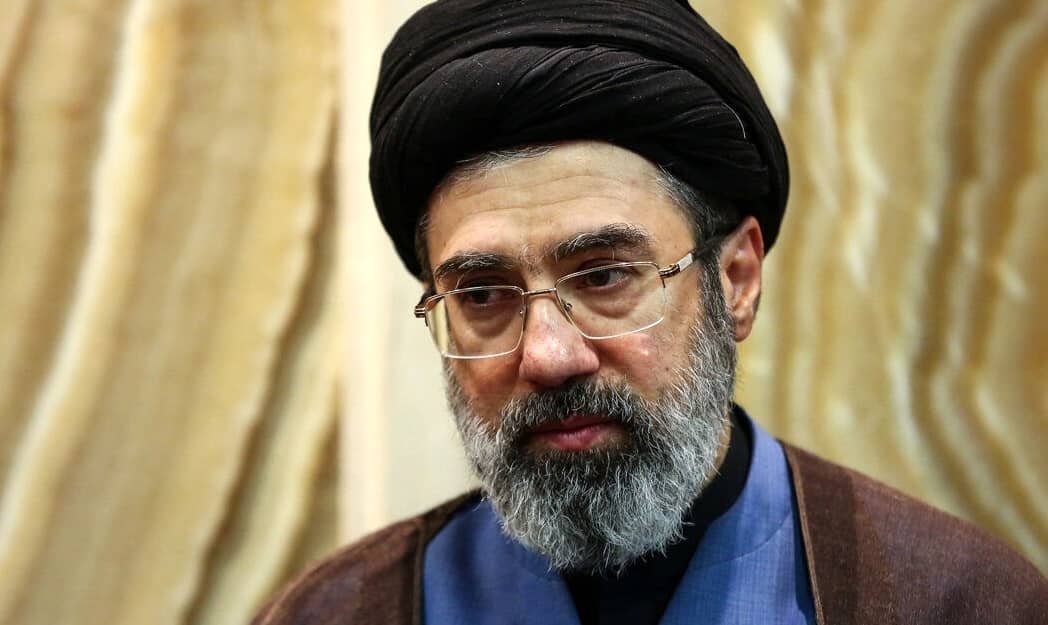
The succession of Iran's Supreme Leader represents one of the most consequential political transitions in the Middle East, with implications for regional stability, nuclear negotiations, and US foreign policy. Mojtaba Khamenei, the son of Ayatollah Khamenei and viewed as the presumptive successor to his aging father, has increasingly taken on prominent roles in Iranian governance and military affairs. Any disruption to this expected succession—whether through political purges, health crises, detention, or institutional power shifts—could reshape Iran's decision-making structures and international posture. The 33.5% odds reflect genuine uncertainty about whether established succession mechanisms will function as anticipated or whether competing power centers might intervene.
Key Factors
Several factors likely drive the market's moderate probability assessment. Ayatollah Khamenei, the current Supreme Leader, is 85 years old, creating genuine succession questions in the coming years, though the market specifically addresses the de facto leadership transition by year-end—a tighter timeframe. Mojtaba's rising prominence through roles in the Islamic Revolutionary Guard Corps and intelligence apparatus suggests institutional preparation for succession, yet Persian political history demonstrates that heir designations can face sudden challenges from rival factions. Geopolitical tensions, including potential escalation with Israel and the United States, could accelerate internal power struggles or create circumstances forcing leadership transitions. Additionally, the market's resolution criteria—including removal from power, detention, or loss of de facto authority—cast a wider net than formal resignation, potentially capturing institutional shifts that might not register as official announcements.
Outlook
The stability of the current 33.5% price suggests the market has incorporated baseline expectations about Iranian institutional continuity balanced against real succession risks. Developments that could shift this probability include significant health crises among current or presumptive leadership, detention or removal of Mojtaba by competing power centers, major military or intelligence setbacks that destabilize the succession apparatus, or unexpected institutional reforms altering the pathway to supreme leadership. Conversely, moves that formally solidify Mojtaba's position or demonstrate successful navigation of leadership transitions could lower the probability. Until December 31, traders will likely remain attentive to Iranian media reporting on leadership health, major policy shifts suggesting power vacuums, or international statements regarding changes in Iran's decision-making authority.