Market Overview
Prediction markets are assigning a 5.5% probability to a change in Iran's de facto leadership by April 30, 2025, down slightly from 6.5% one day prior. With over $3.1 million in trading volume, the market reflects modest but consistent interest in the question of succession timing in Iran's opaque political system. The modest probability indicates traders view a leadership transition within the next five months as unlikely, though not negligible.
Why It Matters
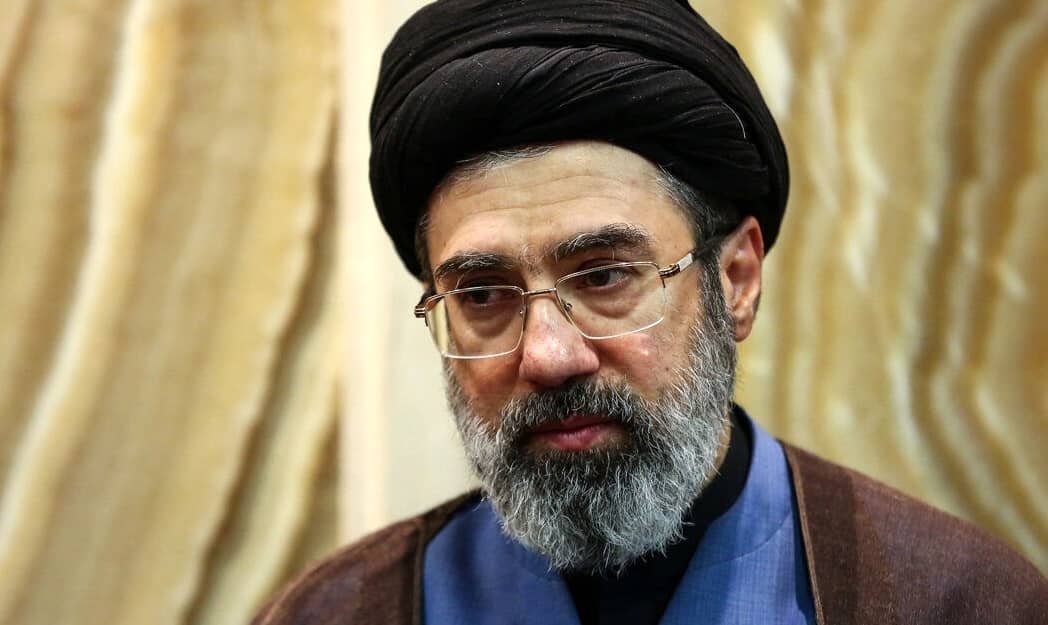
Iran's succession process is among the world's least transparent governmental transitions. The current Supreme Leader, Ayatollah Ali Khamenei, is 85 years old, and questions about his health and the readiness of his son Mojtaba—designated as his apparent successor—carry significant geopolitical implications. Any unexpected leadership change would affect Iran's nuclear negotiations, regional conflicts, and domestic policy. The resolution criteria specifically track whether Mojtaba Khamenei \"ceases to be the de facto leader,\" covering removal, detention, resignation, or incapacity—a broad definition capturing various succession scenarios.
Key Factors
The 5.5% probability reflects several underlying considerations. First, the timeframe is compressed: just five months remain until the April 30 deadline. Iran's succession planning, while reportedly advanced, has never been publicly tested at the highest level. Second, while health concerns about the current Supreme Leader have periodically circulated, no credible reporting has suggested imminent leadership change. Third, the political will to execute a transition absent a death or severe incapacity appears limited—such a move would represent a dramatic break with established succession protocols. Finally, the market's pricing suggests traders view spontaneous removal or detention of Mojtaba Khamenei as highly improbable given his current position within Iran's power structure.
Outlook
The probability could shift materially based on reporting about the current Supreme Leader's health, public statements from Iranian leadership about succession, or unforeseen political developments. The slight downward movement over 24 hours—from 6.5% to 5.5%—may reflect typical volatility in low-probability markets or marginal reassessment of near-term succession risk. Broader geopolitical developments, including sanctions, regional conflicts, or domestic unrest, could theoretically alter succession calculus, though such indirect effects have historically proven difficult to quantify. Until concrete evidence of imminent transition emerges, markets appear likely to maintain subdued odds reflecting the structural improbability of leadership change within such a narrow timeframe.