Market Overview
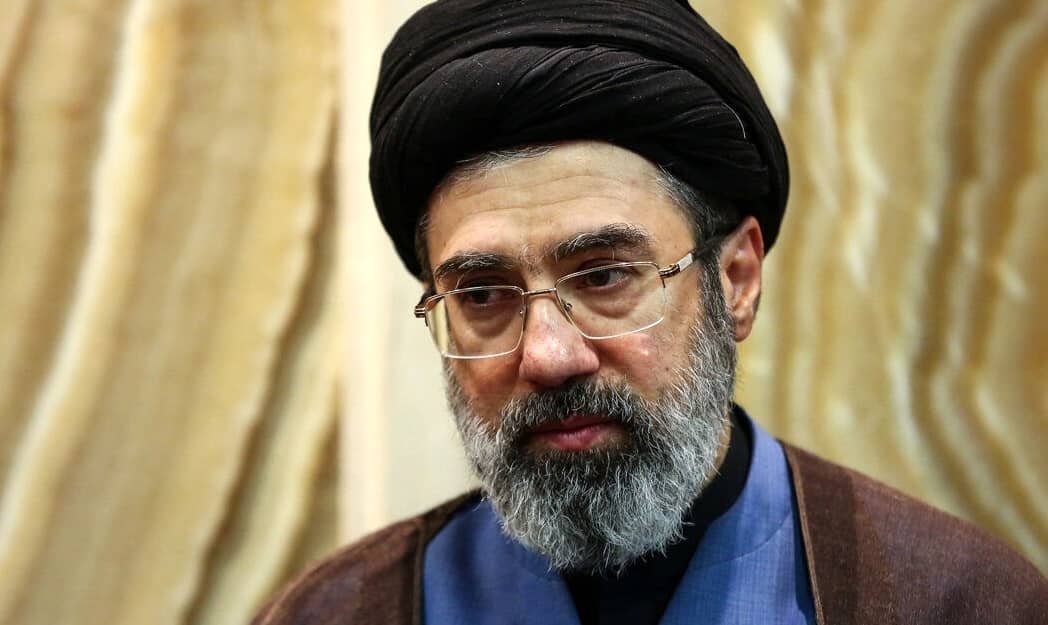
Prediction market participants are currently pricing a one-in-three chance that Mojtaba Khamenei, the designated successor to Supreme Leader Ayatollah Khamenei, will lose his position as de facto leader of Iran before year-end. With $2 million in trading volume, the market reflects sustained interest in Iran's leadership dynamics, though the 33.5% probability has remained stable over the past 24 hours, suggesting traders are holding relatively consistent views on the likelihood of near-term change.
The market's resolution criteria cast a wide net: Khamenei would be considered to have lost power if removed, detained, forced to resign, or otherwise prevented from functioning as the regime's de facto leader. An official announcement alone would trigger a \"Yes\" resolution even if implementation is delayed, acknowledging that symbolic transfers of power might constitute meaningful regime change.
Why It Matters
Iran's succession is among the highest-stakes political questions in the Middle East. Mojtaba Khamenei, son of the 85-year-old Supreme Leader, has been positioned for decades as the presumed heir to the Islamic Republic's top position. Any interruption to this succession could signal internal fracture within the regime's power structure, constrain Iran's foreign policy, or create instability that reverberates across regional geopolitics. From an investment and geopolitical risk perspective, tracking the likelihood of such a transition offers insight into how markets perceive regime fragility.
Key Factors
The 33.5% probability reflects multiple competing considerations. On one hand, the Supreme Leader's advanced age and long-standing health concerns, periodically surfacing in Iranian media and international reporting, create objective conditions under which succession planning—and potentially disruptive succession—could accelerate. Domestic discontent following the 2022 protests and broader economic pressures add structural stress to the regime.
Counterbalancing this, the Islamic Republic has maintained institutional continuity through previous leadership transitions and succession crises. Mojtaba Khamenei, though less visible than his father, holds significant military and intelligence backing. The regime's security apparatus remains centralized enough to suppress uncontrolled transitions. No recent credible reporting has surfaced of Mojtaba being detained, forced out, or actively losing power—the threshold needed for market resolution.
The timeframe—less than one year away—is notably compressed. Major regime changes typically unfold over months or face sudden triggering events (illness, unrest escalation, or internal coup). The market's odds imply traders see meaningful but not overwhelming probability of such an event materializing within this short window.
Outlook
Significant developments could shift the market's assessment. Confirmed reports of the Supreme Leader's death or incapacitation, major security incidents within the Revolutionary Guards, evidence of Mojtaba's detention or marginalization, or a dramatic escalation in domestic unrest would likely push probabilities toward \"Yes.\" Conversely, an orderly announcement of succession, stabilization of the regime's economic position, or passage into 2025 without incident would suggest the transition probability overestimated near-term risk. Traders should monitor Iranian state media for succession announcements, international intelligence assessments of regime health, and on-the-ground reporting from Tehran regarding factional dynamics among the security establishment.