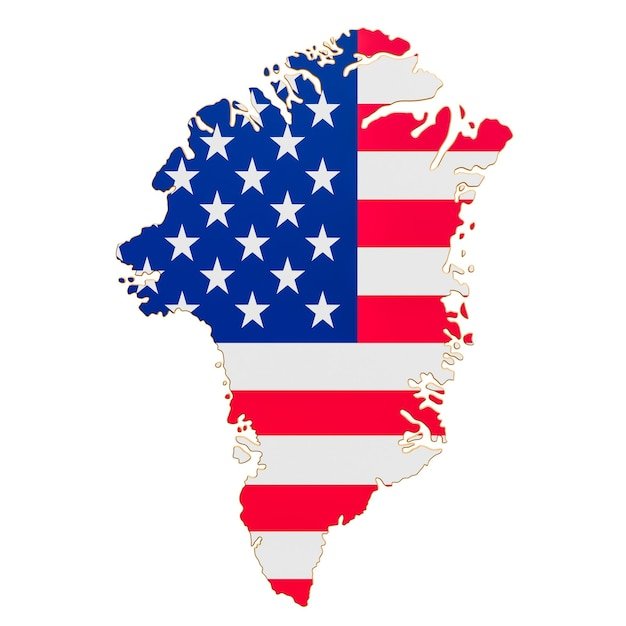
Market Overview
Prediction markets are assigning a 14% probability that the United States will acquire control of any portion of Greenland's territory by December 31, 2026. The question has generated significant trading activity, with nearly $10 million in volume, indicating this is not a fringe concern among market participants but rather a scenario commanding serious attention despite its seemingly low odds.
The market's resolution criteria are deliberately precise, distinguishing between binding transfers of sovereignty or exclusive jurisdiction—which would qualify—and non-binding statements, negotiations, or access agreements, which would not. This specificity matters because it excludes announcements or proposals, requiring instead concrete legal instruments such as treaties, legislation, or executive agreements that establish formal U.S. control over defined territory.
Why It Matters
Greenland, an autonomous territory of Denmark, has strategic significance due to its Arctic location, mineral resources, and geopolitical positioning. Recent statements from U.S. officials have revived discussion of Greenland's strategic value, though acquiring actual territorial control would represent a dramatic shift in international norms and U.S.-Denmark relations. The market's 14% probability reflects genuine uncertainty about whether diplomatic or other developments could lead to a formal arrangement, even as such an outcome remains far from the baseline expectation.
Key Factors
Several dynamics influence the market probability. First, political rhetoric around Greenland has elevated its profile, creating baseline uncertainty about how far such discussions might proceed. Second, the timeframe is compressed—only two years remain until the market deadline—which constrains the window for negotiations and implementation. Third, Denmark's position as a NATO ally and the potential diplomatic costs of acquisition create structural headwinds against formal sovereignty or control transfers. Fourth, Greenland's own autonomy and voice in any such arrangement introduces another layer of complexity, as the territory's leadership would need to agree to transfer meaningful control.
Outlook
For the market probability to rise materially, a binding agreement or legal instrument would need to emerge establishing either U.S. sovereignty over part of Greenland or exclusive U.S. jurisdiction over a defined zone, even if implementation occurs after 2026. Current market pricing suggests participants view this as possible but unlikely—consistent with a scenario that remains outside mainstream policy but within the realm of geopolitical possibility. Developments in Arctic strategy, U.S.-Denmark relations, or Greenlandic independence discussions could shift the probability, though explicit movement toward territorial acquisition remains absent from public diplomatic channels.


