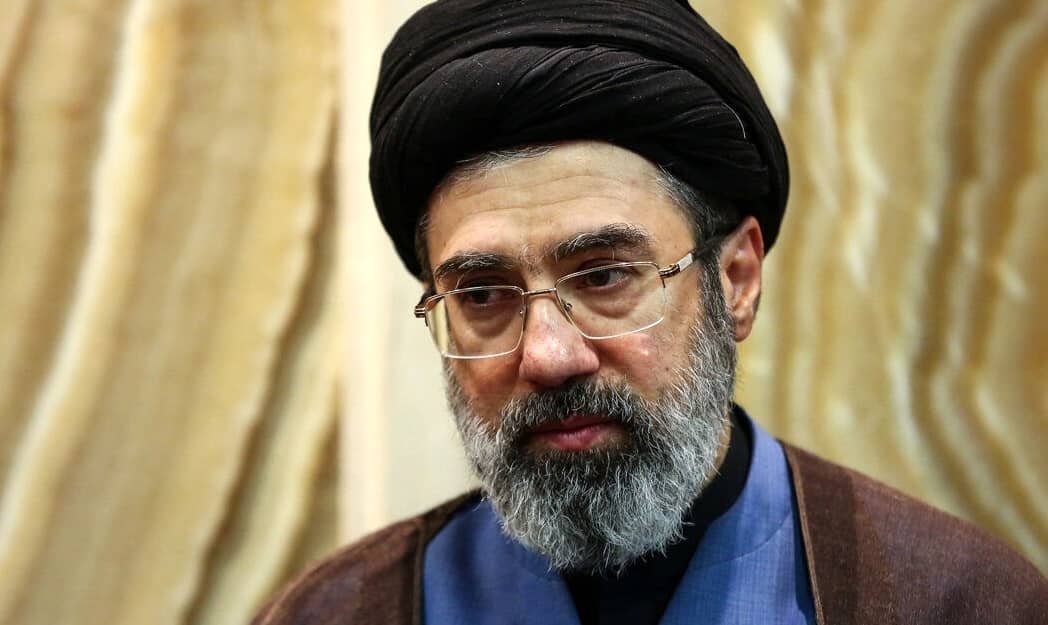
Market Overview
Prediction markets are currently pricing a 33.5% probability that Mojtaba Khamenei, the Supreme Leader of Iran, will lose his position as de facto leader before the end of 2024. With trading volume exceeding $2 million, the market reflects meaningful engagement from traders assessing the likelihood of major political transition in one of the Middle East's most influential nations. The stable price over the past 24 hours suggests the market has settled around an equilibrium that balances multiple competing risk scenarios.
Why It Matters
A change in Iran's supreme leadership would represent one of the most significant geopolitical developments globally, with immediate implications for regional stability, nuclear negotiations, and international relations. The succession or removal of Iran's top decision-maker would ripple through energy markets, Middle East policy calculations for multiple powers, and the ongoing conflicts affecting Syria, Iraq, Lebanon, and Gaza. For investors and policymakers, the 33.5% probability signals meaningful—though minority—odds of major Iranian political upheaval within a compressed timeframe.
Key Factors Driving the Probability
Several factors appear to be informing the current odds. Mojtaba Khamenei's health status and age represent baseline considerations, though no major health crises have been widely reported. The broader question of succession planning in Iran's political system remains opaque to outside observers, creating structural uncertainty. Domestic pressure from economic hardship, protests over civil rights and women's issues, and factional competition within Iran's elite could theoretically accelerate political transitions. Additionally, the potential for external pressures—ranging from international sanctions to military confrontation—introduces tail-risk scenarios that traders may be factoring into the one-in-three odds. The market's current level suggests traders view the probability as genuine but not dominant compared to continuity scenarios.
Outlook and Potential Catalysts
For the market to shift materially, watchers should monitor several developments: any public statements regarding Khamenei's health or capacity to lead, significant escalations in Iranian domestic unrest, major changes in Iran's factional power dynamics, or international events that destabilize the regime's control. The definition of \"de facto leader\" embedded in the market terms—which includes removal, detention, or loss of ability to act—casts a wider net than formal resignation alone, potentially capturing scenarios that official announcements might not initially clarify. With roughly five weeks remaining in the year, the compressed timeframe keeps the probability anchored toward lower levels even as traders acknowledge meaningful transition risks.