Market Overview
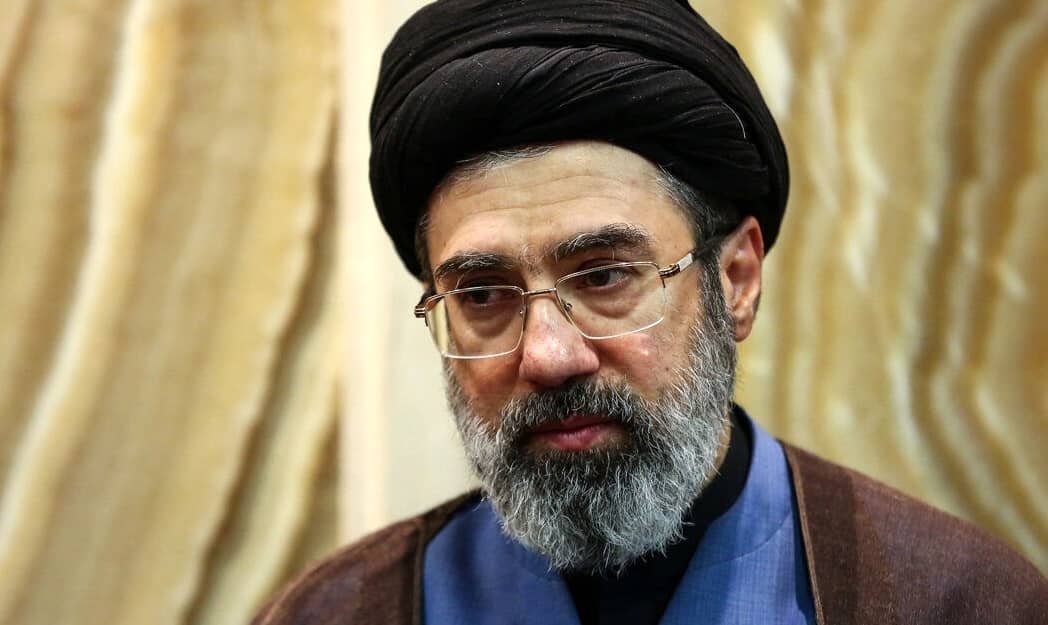
A prediction market assessing whether Mojtaba Khamenei will remain Iran's de facto leader through the end of 2024 is currently trading at 33.5% odds of a leadership change. With over $2 million in volume, the market reflects meaningful engagement from participants weighing the likelihood of Khamenei's removal, detention, or loss of power before December 31. The probability has remained stable at this level over the past 24 hours, suggesting the market has largely priced in available information without recent catalysts driving sharp repricing.
Why It Matters
The succession question in Iran carries significant implications for regional stability and international relations. Mojtaba Khamenei, as the son of the late Supreme Leader Ayatollah Khamenei, has been widely discussed as a potential successor, though his consolidation of de facto power represents an ongoing process rather than a formal assumption of office. A one-in-three probability of leadership disruption within months reflects genuine uncertainty about both the timing of formal succession and the potential for internal political fractures that could interrupt the hereditary transition.
Key Factors
Several dynamics appear to be driving the market's 33.5% assessment. Domestic political instability, including tensions between rival factions within Iran's leadership structure, creates baseline risk to any individual's hold on power. The market may also be pricing in external factors such as military conflict, international sanctions pressure, or unforeseen health crises affecting Iran's leadership. Conversely, the market's 66.5% \"No\" probability reflects the reality that Mojtaba Khamenei maintains institutional support and that sudden, comprehensive leadership removal remains an uncertain proposition. The distinction between de facto and de jure authority creates interpretive complexity—a change in formal titles without a shift in actual power, or vice versa, could affect resolution under the market's stated criteria.
Outlook
The market's current equilibrium at one-third probability suggests neither complacency nor alarm among participants. Developments that could shift odds significantly include any public power struggles between competing factions, changes in Khamenei's health or visibility, major military escalations in the region, or explicit statements from Iran's institutions about succession timing. The market's stable price despite ongoing geopolitical volatility in the Middle East indicates that traders currently view such disruptions as unlikely to translate into actual leadership change by year-end, though the elevated 33.5% odds reflect the region's inherent unpredictability.