Market Overview
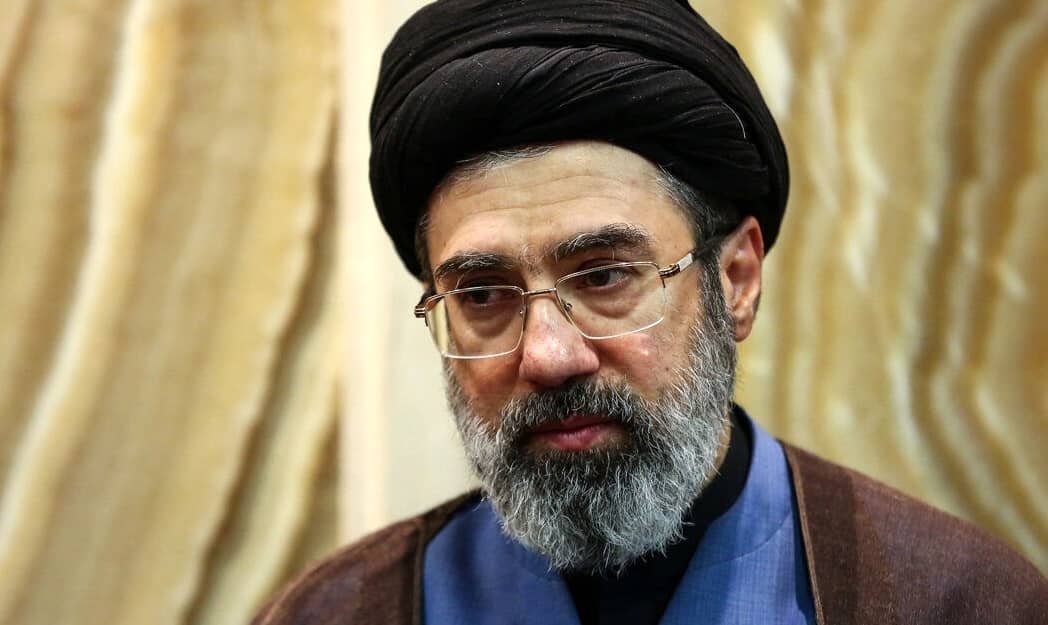
With roughly four months remaining until the year-end deadline, traders in this prediction market are assigning a one-in-three chance that Mojtaba Khamenei—the son of Supreme Leader Ayatollah Ali Khamenei and widely seen as the likely successor to Iran's top post—will be removed from or lose his de facto leadership position. The 33.5% probability has remained stable over the past 24 hours despite substantial trading activity, with over $2 million in volume suggesting active engagement from market participants. The flat price trajectory indicates that current odds reflect a genuine equilibrium view rather than a response to breaking news or recent developments.
Why It Matters
The Iranian succession represents one of the most consequential unresolved questions in Middle Eastern geopolitics. Ayatollah Ali Khamenei, now 85, has led Iran since 1989. Mojtaba's potential removal—whether through health crises, political opposition, foreign intervention, or other means—would carry enormous implications for Iran's foreign policy, regional alignment, and domestic governance. This market essentially quantifies how much uncertainty global observers perceive around Iran's power structure over a compressed four-month window. The relatively elevated odds suggest traders see meaningful risk scenarios rather than dismissing the possibility as negligible.
Key Factors
Several structural factors appear to be driving the 33.5% assessment. First is the inherent uncertainty surrounding succession planning in Iran's opaque political system, where power transfers have historically been unpredictable and factional disputes significant. Second is Mojtaba's own position: while widely regarded as a successor, he has faced previous criticism and remains subject to the same vulnerabilities as any senior Iranian official, including health risks and political rivals. Third is the possibility of external shocks—geopolitical escalation, sanctions escalation, or military conflict could all destabilize Iran's leadership structure. The probability may also reflect some discount for the possibility of rapid institutional collapse or major policy shifts that could alter Khamenei's practical authority.
Outlook
The flat 24-hour price suggests the market has largely priced in current information and is waiting for concrete developments. Key catalysts that could shift the odds include any credible reporting of Mojtaba's health deterioration, public signs of succession disputes within Iran's elite, major geopolitical incidents affecting Iran's stability, or official statements about leadership. The four-month timeframe is short enough that markets may be pricing mainly near-term risks rather than longer-term succession uncertainties. Should no significant developments emerge, these odds may remain relatively stable through year-end, making this market more of a barometer for real-time geopolitical risk than a binary bet on a likely outcome.