Market Overview
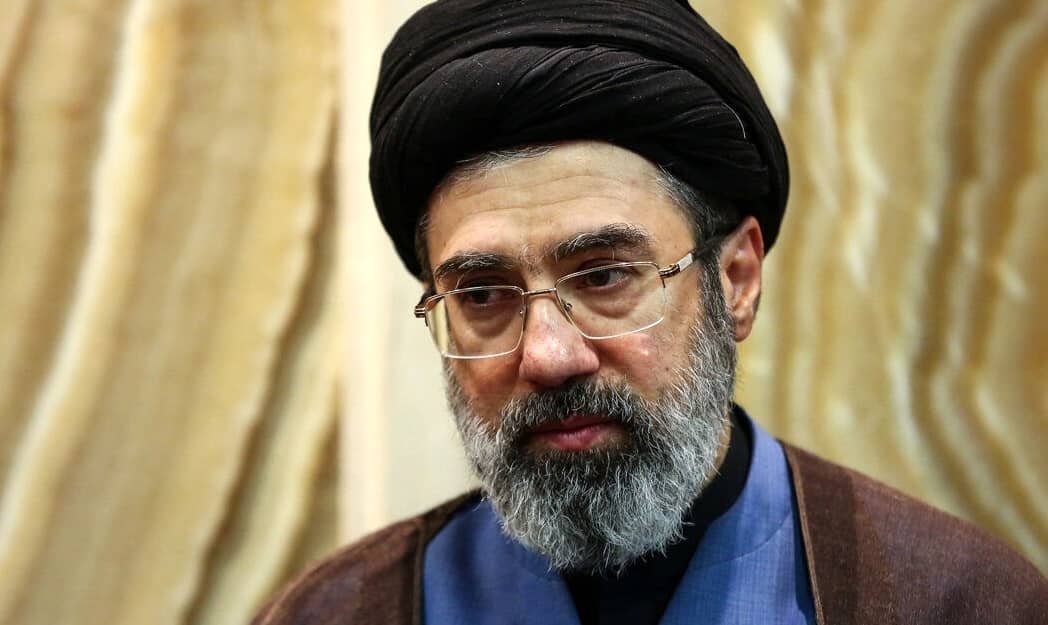
Prediction markets are currently assigning a 33.5% probability that Mojtaba Khamenei will no longer serve as Iran's de facto leader by December 31, 2024. With $2.08 million in trading volume, the market has remained stable over the past 24 hours, suggesting traders have reached a rough equilibrium on the likelihood of a near-term succession. The resolution criteria are broad, encompassing removal from power, detention, or any circumstance that prevents Khamenei from acting as the de facto leader—including a formal announcement of resignation or removal regardless of its effective date.
Why It Matters
The succession of Iran's Supreme Leader represents one of the highest-stakes political transitions in the Middle East. Khamenei, now 85 years old, has led the country since 1989, and his eventual departure would reshape Iran's domestic and foreign policy. Unlike many presidential systems, Iran's Supreme Leader holds vast institutional power over the military, judiciary, and state media, making any transition potentially consequential for regional stability, nuclear negotiations, and U.S.-Iran relations. Markets pricing this transition at one-in-three odds suggest meaningful uncertainty about both Khamenei's health and the stability of his grip on power.
Key Factors
Several factors underpin the current 33.5% probability. Khamenei's advanced age and reported health issues have periodically raised succession questions, particularly following surgical procedures in recent years. Iran's internal political tensions—including competition among factions, economic pressures, and international sanctions—create systemic stress on the regime. However, the succession question remains constrained by institutional factors: Khamenei has consolidated significant power, and any transition would likely follow formal processes through Iran's Assembly of Experts rather than sudden removal. The market's assessment reflects skepticism that a formal or de facto transition occurs within the next several months, even while acknowledging non-trivial succession risk.
Outlook
The stability of this market probability over 24 hours suggests traders see little imminent catalyst for change. Any material shift in the odds would likely require new reporting on Khamenei's health, significant internal political fracturing, or credible signals of institutional instability. The timeframe—roughly nine months from typical market observation—is relatively short for a succession in a tightly controlled authoritarian system, which partially explains why the probability remains below 50% despite acknowledged structural uncertainties. Traders appear to be pricing in the possibility of unforeseen health crises or political upheaval while maintaining a base case of continuity.