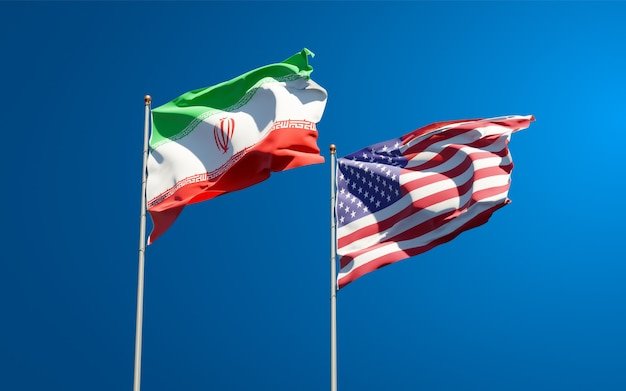
Market Overview
Prediction markets currently assess the likelihood of a U.S. military invasion of Iran by December 31, 2026, at 58.5%, up modestly from 55.5% twenty-four hours prior. With over $4.2 million in trading volume, the market reflects substantive trader engagement on one of the highest-stakes geopolitical questions facing markets. The probability exceeding 55% indicates traders view an Iran invasion as more likely than not within the specified timeframe, a notably elevated threshold for military action of this scale.
Why It Matters
A U.S. military offensive targeting Iran would constitute one of the most significant geopolitical events in decades, with ramifications extending across energy markets, global security, and regional stability. Oil markets are particularly sensitive to Iran conflict scenarios given the country's role as a major petroleum producer; an invasion would likely trigger sharp commodity price spikes and broader economic disruption. The high probability registered in this market signals that significant numbers of informed traders believe the likelihood of such an event—while not certain—exceeds historical base rates for major military interventions.
Key Factors
Several structural factors support the elevated probability. Regional tensions involving Iranian proxies, nuclear program developments, and U.S. military posture in the Persian Gulf create ongoing friction. The timeframe through end-2026 encompasses potential policy shifts, including changes in U.S. administration or strategic doctrine. However, the threshold for \"invasion\" is deliberately specific: the market requires a full military offensive \"intended to establish control,\" not limited strikes or defensive operations. This definition excludes more limited military scenarios that might occur with higher probability.
Countervailing pressures include the enormous logistical and human costs of such an operation, strong international opposition, and the uncertainty of cascading regional consequences. These factors constrain even hawkish policymakers from treating invasion as a near-certain outcome. The market's 58.5% reading thus reflects genuine uncertainty rather than consensus conviction.
Outlook
Movements in this market will likely track developments in U.S.-Iran relations, nuclear negotiations, regional proxy conflicts, and shifting U.S. political leadership. Significant de-escalation in tensions or diplomatic breakthroughs could lower probabilities materially. Conversely, major escalations—such as direct Iranian attacks on U.S. targets or accelerated nuclear weapons development—could push odds substantially higher. With approximately one year remaining in the resolution window, traders will increasingly focus on concrete indicators of military mobilization or diplomatic breakdown.