Market Overview
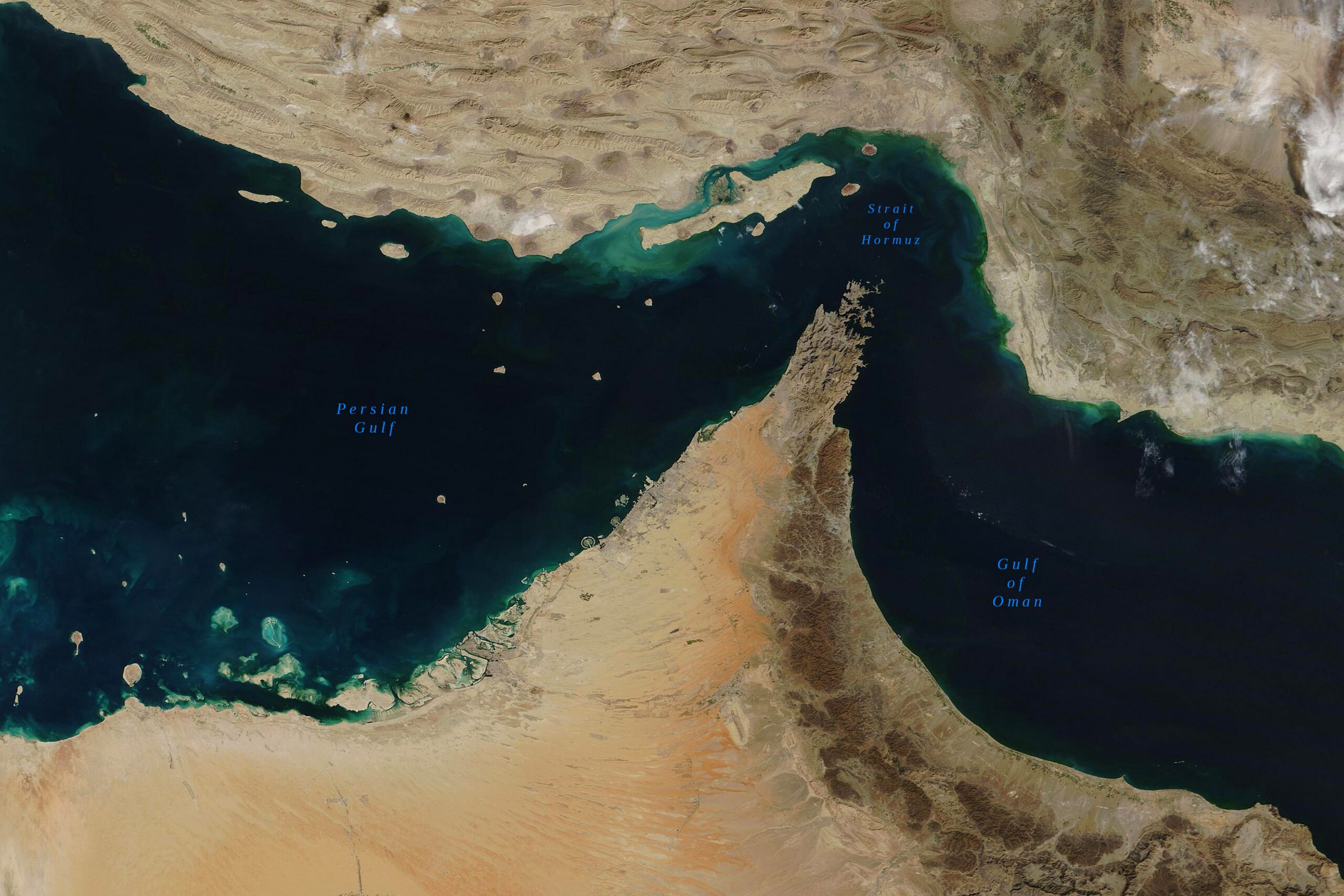
The Strait of Hormuz, one of the world's most critical chokepoints for global energy trade, faces a crucial test of normalization in this prediction market. Currently priced at 45.5%, the market is nearly evenly divided on whether transit traffic will recover to a 7-day moving average of 60 daily calls by June 30, 2026. The threshold of 60 calls appears to represent a return to historical baseline traffic levels, against which current conditions are measured. With roughly $1.5 million in trading volume, the market reflects moderate but sustained interest in monitoring this geopolitically sensitive waterway.
Why It Matters
The Strait of Hormuz carries approximately one-third of global seaborne traded oil and liquefied natural gas, making its operational status a primary driver of energy prices and supply chain stability worldwide. Any sustained disruption to traffic through the waterway creates immediate ripple effects across global commodity markets, shipping rates, and insurance costs. The specific focus on returning to normalized traffic levels—rather than merely asking whether shipping continues—underscores market participants' attention to disruption severity rather than binary passage. Understanding the probability of normalization by mid-2026 matters for energy traders, shipping companies, and policymakers assessing medium-term energy security and supply chain resilience.
Key Factors
Geopolitical tensions in the Middle East constitute the primary driver of this market's probability. Recent years have seen periodic incidents in the Strait, including attacks on shipping, military posturing, and international incidents that temporarily disrupted transit patterns. The current 45.5% probability suggests traders view near-term escalation or de-escalation as roughly balanced, with slightly more pessimism toward normalization. The 18-month timeframe provides meaningful runway for either tensions to ease through diplomatic channels or to worsen through military confrontation or economic sanctions. Additionally, the specific measurement methodology—requiring IMF Portwatch data rather than proprietary shipping databases—creates a defined, verifiable resolution standard but also means the market depends on continued consistent data publication from that source.
Outlook
Movement in this probability will likely track geopolitical developments rather than shipping fundamentals alone. Announcements of multilateral negotiations, sanctions relief, or military de-escalation could drive probabilities higher, while incidents at sea, new military deployments, or hardened international positions could shift odds downward. The even-money pricing reflects genuine uncertainty; traders are not currently expressing strong conviction that tensions will reliably ease by mid-2026, nor are they betting heavily on continued disruption. Any material shift in U.S.-Iran relations, Gulf state diplomacy, or regional security arrangements over the next 12-18 months will likely be reflected promptly in market pricing, making this contract a useful indicator of market sentiment regarding medium-term Persian Gulf stability.