Market Overview
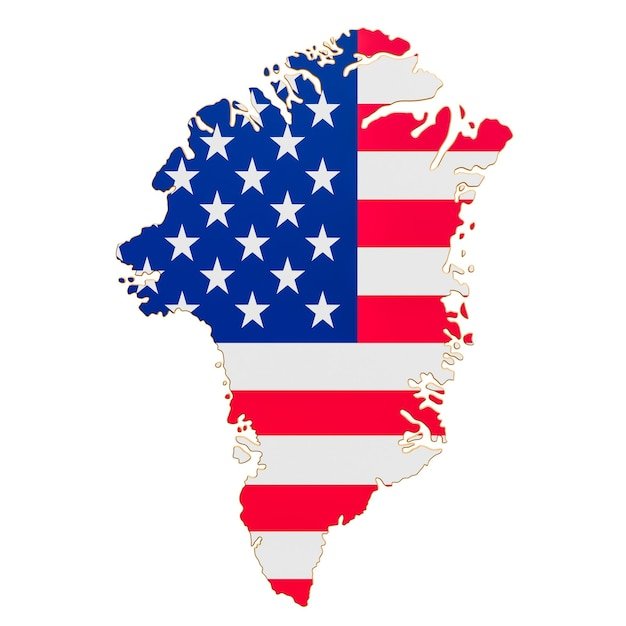
Prediction markets are currently pricing a 14% probability that the United States will acquire control of any land territory comprising part of Greenland by December 31, 2026. The market, which has maintained steady odds over the past 24 hours despite nearly $9.7 million in trading volume, suggests traders view the scenario as unlikely but plausible within the two-year timeframe. The resolution criteria are notably specific, requiring either a formal transfer of sovereignty, a binding agreement establishing exclusive U.S. jurisdiction over defined territory, or acquisition through military force—ruling out less formal arrangements such as basing rights or commercial leases.
Why It Matters
Greenland has emerged as a strategic focal point in discussions about Arctic resources, geopolitics, and territorial interests. The island's location, mineral wealth, and positioning in a warming Arctic have made it relevant to U.S. policy discussions and statements by senior officials. The resolution framework distinguishes between serious territorial acquisition and non-binding statements or preliminary negotiations, meaning that mere announcements or proposals—however prominent—will not trigger a positive resolution. This high bar reflects the extraordinary nature of what would constitute a qualifying event in the modern international system.
Key Factors
Several dynamics underpin the 14% assessment. First, Greenland remains under Danish sovereignty with its own Home Rule government, and Denmark has consistently opposed any cession of territory. A qualifying transaction would require either Danish consent through a binding legal instrument or a fundamental geopolitical rupture that forced such an outcome. Second, the timeframe is compressed to less than two years, limiting opportunity for prolonged negotiations or changing circumstances to crystallize into binding agreements. Third, while U.S. interest in Arctic strategy and resources is genuine, the political and diplomatic costs of pursuing territorial acquisition would be substantial. International law and norms create significant friction against such claims in the 21st century. Finally, even if hypothetical negotiations occurred, translating them into binding legal instruments enforceable within the deadline poses additional hurdles.
Outlook
The 14% probability reflects a market view that while official acquisition remains a very low-probability event, it cannot be entirely dismissed given geopolitical volatility and the explicit acknowledgment of Arctic interests by U.S. policymakers. Developments that could shift odds include major shifts in U.S.-Denmark relations, significant changes in Arctic strategic calculations, or unexpected political transitions that alter negotiating positions. Conversely, explicit statements from U.S., Danish, or Greenlandic officials reaffirming territorial integrity or rejecting acquisition discussions could lower probability further. The steady odds suggest traders see limited near-term momentum toward qualifying events, with the market pricing the scenario as a tail risk rather than an active policy trajectory.