Market Overview
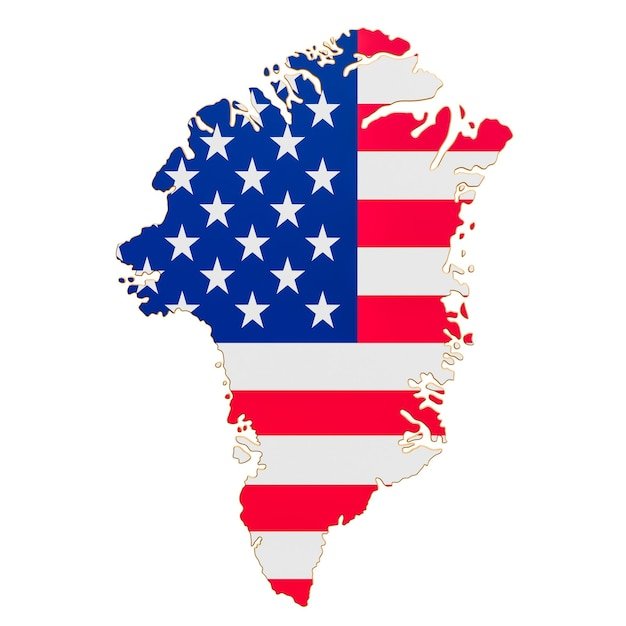
Prediction markets have assigned a 15.5% probability to U.S. acquisition of Greenlandic territory within the next 12 months, based on $9.18 million in trading volume. The market has seen modest volatility, declining 100 basis points from 16.5% just 24 hours prior, suggesting some repricing as recent developments evolve. The market structure requires a binding agreement or legal instrument establishing formal sovereignty transfer or exclusive U.S. jurisdiction—not merely negotiations, proposals, or non-binding statements. This distinction is critical, as it excludes the significant political rhetoric that has circulated around the issue without concrete diplomatic breakthroughs.
Why It Matters
Greenland's strategic location in the Arctic, proximity to North American shipping routes, and natural resource deposits have attracted U.S. interest, particularly as climate change opens new geopolitical competition. The market reflects genuine uncertainty about whether political interest could translate into concrete territorial acquisition. However, the resolution criteria are stringent: a binding agreement, treaty, legislation, or executive action must unambiguously establish the transfer. This high bar reflects the extraordinary nature of such a transaction in modern international relations, where territorial acquisition remains rare outside conflict scenarios. For investors, the market serves as a gauge of geopolitical risk appetite and perceived likelihood of unprecedented policy shifts.
Key Factors Driving Probability
Several factors support the non-trivial 15.5% probability. First, recent statements from U.S. leadership have revived serious discussion of Arctic territorial expansion, elevating what might otherwise be dismissed as rhetorical positioning. Second, Denmark's sovereignty over Greenland, while recognized internationally, faces complications given Greenland's semi-autonomous status and aspirations for independence—potentially creating negotiating room under unusual circumstances. Third, the market's resolution criteria allow for agreements with future implementation dates, meaning any binding commitment signed before year-end 2026 would qualify even if physical transfer occurs later. However, substantial headwinds dominate: Denmark remains firmly opposed to any territorial loss, Greenland's government has rejected acquisition proposals, and international law provides no clear mechanism for such a transfer outside military conquest. The resolution criteria explicitly exclude leases, basing rights, and SOFA-type arrangements—the categories of actual U.S.-Danish agreements most likely to emerge from negotiations.
Market Dynamics and Outlook
The recent 100-basis-point decline suggests either consolidation of positions or minor negative sentiment shifts, though volume remains robust. Traders appear to be pricing in a genuine but low-probability tail risk scenario. For the market to move significantly higher, concrete evidence of binding agreement negotiations would be required—not announcements or frameworks. The 12-month resolution window provides moderate time for diplomatic developments, though the 2026 election cycle and potential policy transitions add complexity. Conversely, sustained lack of progress toward any binding agreement would likely compress odds further. Market participants should monitor official statements from U.S., Danish, and Greenlandic governments closely, recognizing that only legally binding instruments will move resolution probabilities materially. The current price reflects skepticism that such instruments will materialize, balanced against acknowledgment that geopolitical surprises remain possible.