Market Overview
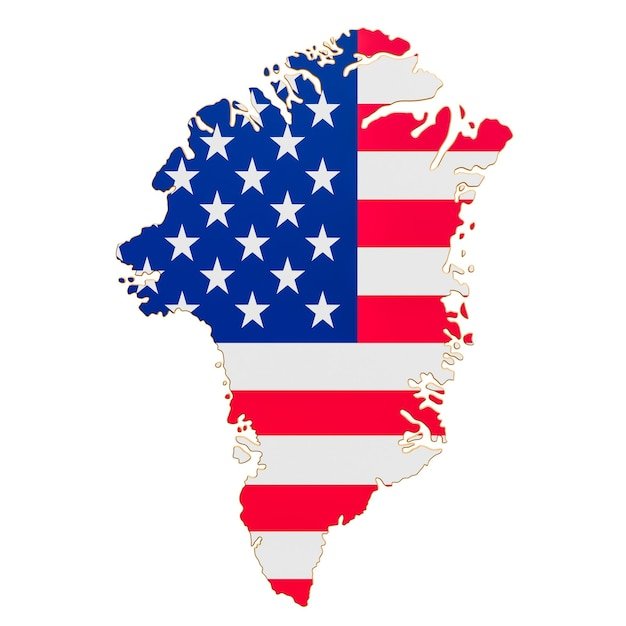
Prediction markets are currently valuing the probability of the United States acquiring control of any Greenlandic territory by December 31, 2026 at 15.5%, down marginally from 16.5% one day prior. With nearly $9.6 million in trading volume, the market reflects genuine engagement despite the extraordinary nature of the underlying proposition. The 15.5% probability implies traders assign meaningful but subordinate odds to what would constitute one of the most significant geopolitical shifts in decades.
Why It Matters
The question captures recent geopolitical rhetoric surrounding Greenland's strategic value. The Arctic territory holds substantial natural resources, possesses critical positioning for Arctic operations and defense, and sits at the intersection of climate change-driven accessibility and great power competition. A US acquisition would represent a fundamental realignment of Arctic governance and NATO dynamics, given Greenland's status as a self-governing territory of Denmark, a NATO ally. The resolution criteria require binding legal instruments—ranging from sovereignty transfer to exclusive US jurisdiction arrangements—not mere statements or negotiations, setting a high evidentiary bar.
Key Factors
Several structural factors constrain the probability downward. Denmark retains formal sovereignty and has consistently rejected territorial transfers, while Greenland's government, though pursuing greater autonomy, has not signaled interest in US sovereignty. Congressional approval would be required for formal acquisition, adding domestic political friction. The market's 15.5% reading appears to price in a tail scenario in which either diplomatic circumstances shift dramatically, US pressure on Denmark intensifies substantially, or unforeseen geopolitical events (such as acute Arctic security threats) alter cost-benefit calculations for Copenhagen. The relatively stable price over the past 24 hours—declining only 100 basis points—suggests the current valuation reflects a settled baseline view rather than recent catalyst shifts.
Outlook
Movement in this market will likely depend on developments in US-Denmark relations, statements from Greenlandic leadership regarding autonomy or external partnerships, and broader Arctic geopolitical developments. Binding agreements or legislative action would trigger resolution; mere political posturing or renewed acquisition rhetoric, absent legal instruments, should leave the probability anchored near current levels. The 15.5% floor reflects traders' acknowledgment that geopolitical black swans exist, even if baseline expectations favor the status quo.