Market Overview
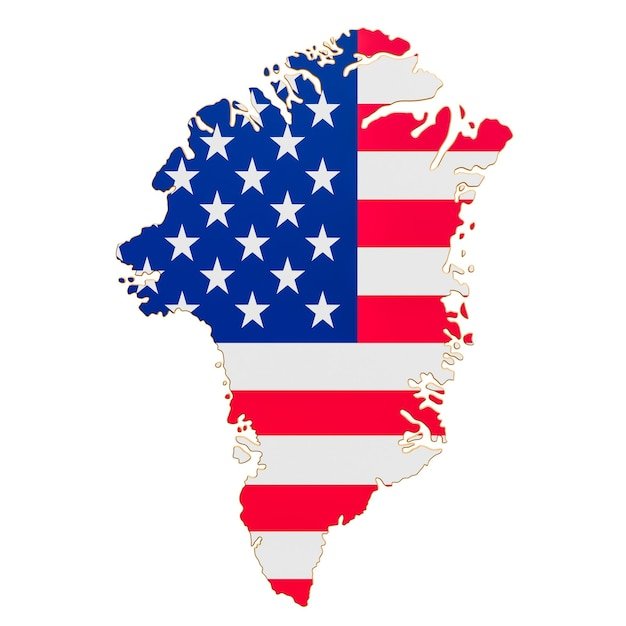
A prediction market on whether the U.S. will acquire control of Greenlandic territory by December 31, 2026 is currently priced at 14%, with trading volume exceeding $9.6 million. The probability has remained stable over recent trading sessions, suggesting market participants have settled on a baseline assessment after initial volatility surrounding the question. The resolution criteria are precisely defined, requiring either a formal transfer of sovereignty, a binding agreement establishing exclusive U.S. jurisdiction over defined territory, or acquisition through force—not mere statements, negotiations, or basing agreements.
Why It Matters
The market reflects real geopolitical discussions that have emerged from recent high-level rhetoric about Greenland's strategic value. Located between North America and Europe with proximity to Arctic shipping routes and mineral resources, Greenland holds significant strategic interest amid great power competition. The specificity of the market's resolution criteria—excluding non-binding proposals and permissions like military base access—means that achieving a \"Yes\" outcome would require concrete legal instruments, not merely continued diplomatic interest. Even at 14%, the odds suggest traders see some non-trivial pathway to territorial acquisition despite the substantial diplomatic and legal obstacles involved.
Key Factors
Several factors underpin the current 14% probability. First, Greenland remains an autonomous territory of Denmark, and Denmark has shown no inclination toward territorial concessions. Danish sovereignty is backed by international law and NATO alliance structures. Second, the resolution criteria explicitly exclude arrangements short of actual control transfer—meaning agreements like military base access or commercial concessions, which are more plausible outcomes, would not resolve the market to \"Yes.\" Third, the timeframe of two years is relatively short for completing the legal and diplomatic processes required to transfer sovereignty or establish exclusive U.S. jurisdiction. Fourth, any forced acquisition would face enormous international opposition and legal consequences. Conversely, markets do assign non-trivial probability to the possibility that unprecedented diplomatic pressure, changing strategic calculations, or unexpected political shifts in Copenhagen or Nuuk could eventually lead to formal negotiations resulting in binding territorial arrangements.
Outlook
For the probability to rise materially, markets would require evidence of serious negotiations producing concrete legal proposals, shifts in Danish or Greenlandic political positions, or explicit diplomatic frameworks aimed at transferring sovereignty or jurisdiction. For it to fall, continued statements from Danish and Greenlandic leadership reaffirming territorial integrity would likely drive odds lower. The 14% level represents a market view that while the scenario remains unlikely given current geopolitical structures, it is not negligible given the prominence of the issue in recent political discourse and the unpredictability of major-power diplomacy. Any formal announcement of binding negotiations would likely shift the market significantly, as would statements from Greenlandic or Danish officials closing off discussions entirely.