Market Overview
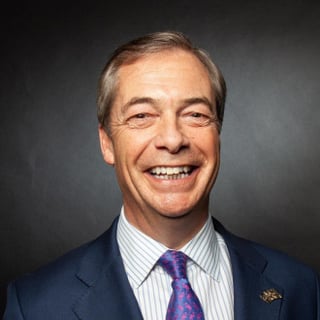
Prediction markets are pricing Nigel Farage's chances of becoming the next UK Prime Minister by December 31, 2026 at 1.6%, with trading volume of $722,746 indicating modest but sustained interest. This probability has held steady over the past 24 hours, suggesting the market has settled around a consensus view of Farage's realistic path to Number 10 within the specified timeframe. The designation requires official appointment by the UK Monarch—interim or caretaker arrangements would not trigger resolution—keeping the bar high for this specific outcome.
Why It Matters
Farage's political trajectory has been unconventional: he led the UK Independence Party to prominence during the Brexit campaign, stepped back from frontline politics, and recently took control of Reform UK with pledges to reshape British politics. Any path to his becoming Prime Minister represents a significant realignment of British electoral politics and would suggest a dramatic shift in public sentiment or electoral mathematics. The market's assessment is therefore noteworthy not because Farage lacks influence, but because becoming PM in the next two years would require extraordinary political developments, making the 1.6% probability a reflection of extreme implausibility rather than zero chance.
Key Factors
Several structural factors constrain Farage's odds. First, the current Labour government under Keir Starmer won a substantial majority in the 2024 general election, giving it a full five-year term that extends beyond the resolution date; a new PM in 2026 would require either the government's collapse or a voluntary transition, both unlikely scenarios. Second, even if a general election were called, Reform UK would need to either win outright or secure enough seats to lead a coalition—a significant challenge given the UK's first-past-the-post system, which historically disadvantages newer parties. Third, Conservative Party MPs would likely resist a coalition or confidence-and-supply arrangement with Farage, given his historical tensions with the party.
The 1.6% probability essentially captures the tail-risk scenarios: a Labour government fracture, an unexpected economic or political crisis forcing early elections, and a resulting electoral realignment that elevates Reform UK to power. While Farage remains a notable political figure capable of capturing media attention and shaping policy debates, these conditions represent long-shot contingencies rather than plausible base-case outcomes.
Outlook
The market's pricing suggests that unless significant unforeseen developments materialize—such as a severe political crisis or massive shifts in polling—Farage's probability of becoming PM by end-2026 will likely remain in the low single digits. Traders monitoring this market may watch for early warning signs of Labour government instability, dramatic shifts in Reform UK's polling position, or unexpected changes in the Conservative Party's electoral fortunes. However, the current probability accurately reflects the consensus view that Farage's ascent to Prime Minister within two years remains an extremely remote possibility.