Market Overview
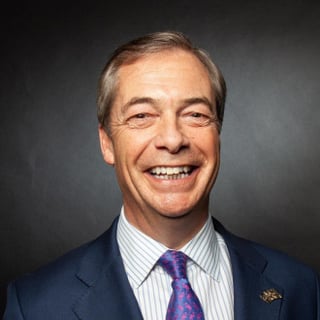
Prediction markets are assigning Nigel Farage only a 1.6% chance of becoming Prime Minister of the United Kingdom before the end of 2026—a negligible probability that has remained flat over the past 24 hours despite sustained trading volume of $722,746. The market reflects a clear consensus among traders that, while Farage commands significant influence within British politics, the institutional and electoral pathways to his appointment remain exceptionally narrow within the compressed timeframe.
Why It Matters
Farage's potential elevation to 10 Downing Street represents one of the most consequential scenarios in near-term British politics. As a long-standing figure in nationalist and anti-establishment movements, his premiership would signal a major ideological realignment in UK governance. The market's assessment of this outcome carries weight because it incorporates multiple layers of uncertainty: electoral dynamics, coalition negotiations, party leadership changes, and the willingness of the Crown to appoint him if mathematically possible.
Key Factors
Several structural constraints explain the depressed odds. First, Reform UK—Farage's vehicle—faces the UK's first-past-the-post electoral system, which historically penalizes parties without geographically concentrated support. While Reform has demonstrated electoral appeal, converting that into sufficient House of Commons seats to enter government before 2026 remains mathematically challenging. Second, the current Parliament was elected in 2024, and a new election is not required until 2025. Any pathway to Farage becoming PM requires either the Conservative or Labour government to collapse and call an election, then Farage's party to either win a majority (remote) or secure sufficient leverage in a hung parliament to negotiate his appointment as PM rather than merely influencing policy. Third, even if Reform UK gains significant parliamentary representation, tradition and precedent suggest the monarch would likely appoint the leader of the largest party rather than negotiate with smaller factions—unless an unprecedented political crisis fundamentally rewrites expectations.
Outlook
For Farage's probability to materially increase, several developments would be necessary: a stark economic crisis or political scandal severe enough to force an early election, a strong Reform showing that shifts the post-election arithmetic, or a dramatic leadership vacuum in both major parties. The 1.6% odds suggest traders view these scenarios as unlikely within the 24-month window. Any significant movement in this market would likely follow concrete signs of government instability, major election polling shifts, or extraordinary political events rather than incremental changes in Farage's influence or rhetoric.