Market Overview
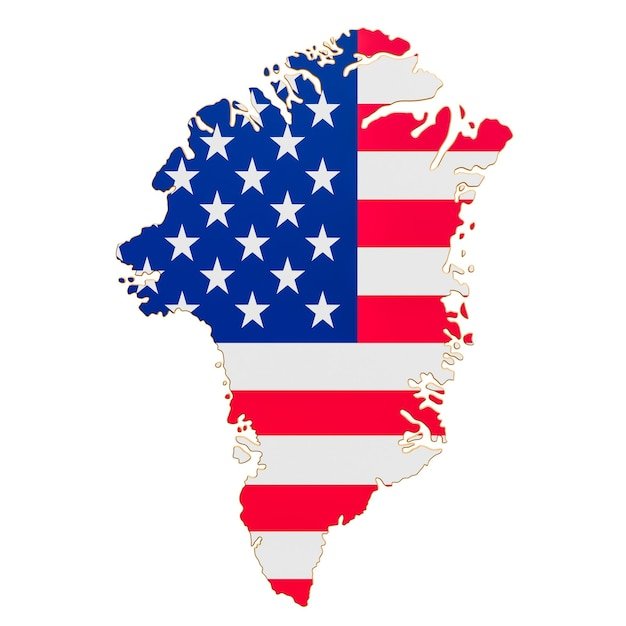
Prediction markets are currently assigning a 14% probability to the United States acquiring sovereign control or exclusive jurisdiction over any portion of Greenland by December 31, 2026. The market, which has maintained this level over the past 24 hours despite $9.7 billion in volume, suggests traders view such an outcome as a meaningful but decidedly unlikely scenario. The specific resolution criteria require a binding legal instrument—such as a treaty, legislation, or executive agreement—that formally transfers sovereignty or establishes primary U.S. jurisdiction, excluding non-binding negotiations, leases, or access agreements.
Why It Matters
Greenland's strategic position in the Arctic, combined with its vast natural resources and geopolitical significance to NATO and U.S. security interests, has made it a recurring subject of diplomatic interest. The question of U.S. territorial acquisition carries implications for Danish sovereignty, Greenlandic autonomy, international law, and Arctic geopolitics. A successful acquisition would represent one of the most significant territorial changes in the Western Hemisphere in over a century, making even a modest 14% probability noteworthy for monitoring shifts in strategic thinking among U.S. policymakers.
Key Factors
The market's current odds reflect several cross-cutting pressures. On one hand, official statements from Danish and Greenlandic leadership have consistently rejected any territorial transfer, with Greenland's government emphasizing its path toward independence within a framework that preserves Danish sovereignty. Denmark, as a NATO ally with constitutional authority over Greenland, has made clear its opposition to such transfers. On the other hand, the market acknowledges non-zero probability based on potential scenarios: significant shifts in U.S. strategic doctrine, economic incentives that might appeal to Greenlandic leadership, or unforeseen geopolitical crises that could alter calculations. The 14% assessment suggests market participants view these scenarios as unlikely but not implausible within a two-year window.
Outlook
Market movement will likely depend on several developments. Tangible progress toward a binding agreement—evidenced by official negotiations, legislative proposals, or treaty drafts—would be expected to shift odds meaningfully upward. Conversely, explicit legislative or diplomatic rejections from Denmark or Greenland could pressure the probability lower. The market's current stability indicates traders see the status quo as most probable: continued U.S. interest or proposals, but no legally binding transfer of control by end-2026. Monitoring official statements from Washington, Copenhagen, and Nuuk will be essential for detecting any shift in the underlying probability.