Market Overview
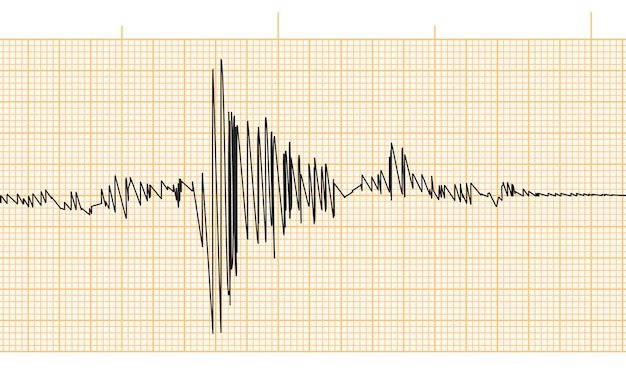
Prediction markets tracking natural disaster frequency have become increasingly sophisticated tools for assessing geophysical risk. This market, resolving based on USGS data with a current probability of 85.1%, suggests strong consensus among traders that the threshold of eight major earthquakes—defined as magnitude 7.0 or greater—is more likely than not to be reached during the December 4, 2025 to June 30, 2026 period. The substantial trading volume of $548,431 indicates meaningful interest in the outcome, though the stagnant 24-hour price movement suggests the market has reached an equilibrium probability reflecting available information.
Why It Matters
Magnitude 7.0 earthquakes represent a significant threshold in seismic classification, capable of causing widespread damage and loss of life in populated areas. Understanding the frequency of such events informs disaster preparedness, insurance pricing, infrastructure planning, and scientific understanding of global seismic patterns. The USGS maintains rigorous, real-time data on earthquake magnitudes, making it a suitable resolution source for markets attempting to quantify natural disaster risk. This market essentially asks whether the coming seven months will follow historical or above-historical patterns of major seismic activity.
Key Factors
Historical baseline data strongly supports the high probability. Globally, the Earth experiences roughly 15 earthquakes of magnitude 7.0 or higher annually on average, meaning eight events over seven months (approximately 5.3 months) falls below this long-term rate. The Pacific Ring of Fire, encompassing the coasts of Asia, the Americas, and Oceania, accounts for approximately 90% of global seismic activity, with the subduction zones off Japan, Chile, Indonesia, and Peru representing particular concentration points. Traders pricing at 85.1% appear to be anchoring heavily on this historical frequency, treating a seven-month period as statistically very likely to produce at least eight major earthquakes barring an unusual global seismic quiet period. Recent seismic activity also influences market sentiment; clusters of major earthquakes in preceding months can reinforce expectations of continued activity due to increased stress release along certain fault systems.
Outlook
The market could shift materially based on actual seismic activity reported during the resolution window. A concentrated period of major earthquakes in early 2026 would likely increase the probability toward certainty, while an extended quiet period among major faults could prompt gradual repricing downward. The resolution timeline extends to July 7, 2026, allowing for processing delays in USUS earthquake data. Traders should monitor seismic bulletins from the USGS and regional seismic networks, as genuine shifts in global earthquake frequency—rather than mere data reporting delays—would be the primary catalyst for meaningful probability changes. Given the market's current stability, the fundamental question appears settled at historical expectations.