Market Overview
The prediction market for a human moon landing in 2026 is trading at 4.3% probability, indicating traders view such an outcome as highly unlikely within the specified timeframe. With over $1.9 million in volume, the market reflects sustained interest in lunar exploration timelines despite the low odds. The flat 24-hour price movement suggests this probability represents a settled consensus rather than a recent reassessment.
Why It Matters
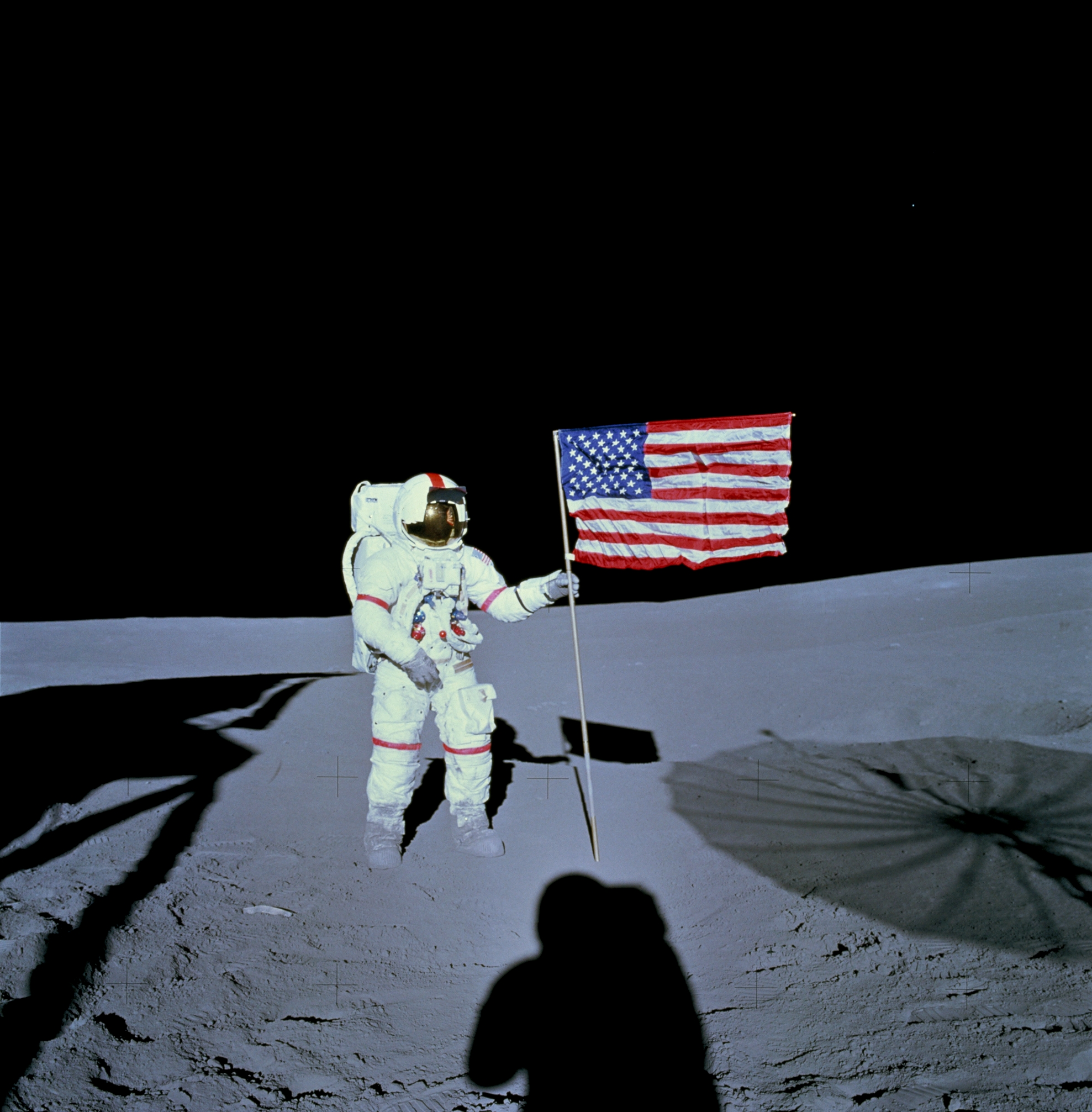
Lunar exploration has become a focal point for space policy and technological ambition, with NASA's Artemis program positioned as the primary pathway to return humans to the moon. The 2026 deadline in this market is significantly nearer than NASA's current target of 2025-2026 for Artemis II (an uncrewed test flight) and 2027-2028 for Artemis III (the crewed landing attempt). Resolution of this market will serve as a barometer for the feasibility of accelerated lunar timelines and the broader state of deep space exploration capabilities.
Key Factors
NASA's Artemis program has experienced repeated delays, with the lunar landing originally targeted for 2024 then pushed to 2025, and now expected in 2027 or 2028. The Space Launch System and Orion spacecraft development has encountered technical and budgetary challenges that constrain the probability of achieving a 2026 landing. Additionally, no other nation or private entity has demonstrated imminent capability for crewed lunar landing; while China has advanced lunar ambitions, its crewed program timeline extends beyond 2026. The market's 4.3% probability essentially prices in only narrow scenarios: an unexpected acceleration of Artemis III, an unforeseen breakthrough by a non-U.S. actor, or a fundamental reorganization of program priorities.
Outlook
Barring significant policy shifts or major technical breakthroughs, the low probability appears well-calibrated to current realities. Traders would likely reassess upward only if NASA announced concrete evidence of Artemis III readiness ahead of current schedules or if an alternative crewed lunar mission demonstrated rapid progress. Conversely, further delays to Artemis II could push these odds even lower. The market will remain sensitive to official NASA announcements, congressional funding decisions, and any unexpected developments in international lunar competition.