What Happened
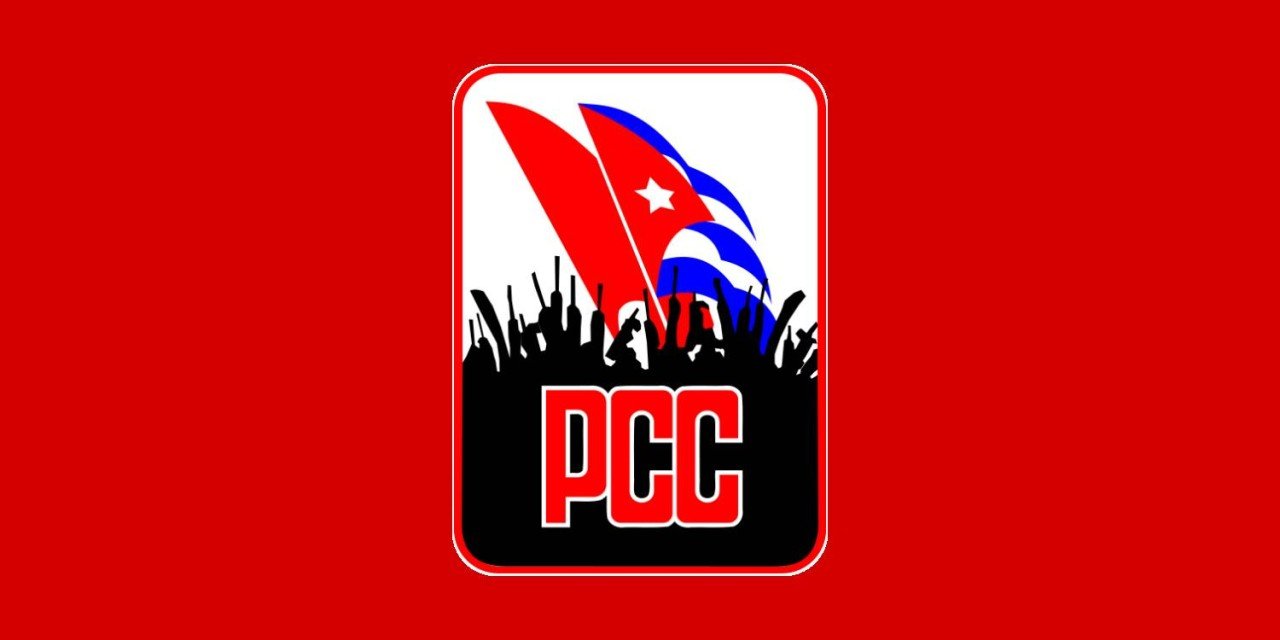
The PredictIt market assessing the probability of the Communist Party of Cuba (PCC) ceasing de facto governing control by December 31, 2026, moved sharply higher over recent trading. The contract price increased from 28.5 cents to 45.5 cents per share—a 17 percentage-point swing—accompanied by significant trading activity of $160,032. This magnitude of movement in a specialized geopolitical market indicates a meaningful reassessment of near-term regime stability risks by participants.
Why It Matters
The 60% relative increase in perceived collapse probability reflects a substantial shift in expectations about Cuba's political trajectory. The market now prices in roughly a 45% chance of regime change within a two-year window, up from approximately 29% just prior. For investors and policy analysts tracking geopolitical risk, such a pronounced movement warrants attention as it suggests either new information about internal Cuban conditions, changed assessments of external pressure, or altered expectations about international responses to the Cuban government.
Market Context
The timing of this move may correlate with recent geopolitical developments, including signals from the incoming Trump administration regarding Cuba policy, reported internal tensions within Cuba's leadership, or broader hemispheric pressure on the regime. The market's definition of \"regime change\" is specific—requiring the PCC to lose de facto governing control through mechanisms such as overthrow, constitutional removal, or multiparty elections resulting in non-PCC governance. Leadership changes within the party or reforms preserving PCC control would not trigger resolution.
Outlook
With nearly two years remaining until the December 2026 deadline, the market suggests meaningful uncertainty about the PCC's continuance in power, though continued control remains the probabilistically favored outcome at current pricing. Traders will likely monitor Cuban economic conditions, leadership succession developments, and U.S. policy shifts for signals that could move prices further. The elevated risk assessment reflects genuine uncertainty about whether internal pressures, external intervention, or other disruptions could fundamentally alter Cuba's political structure by year-end 2026.