Market Overview
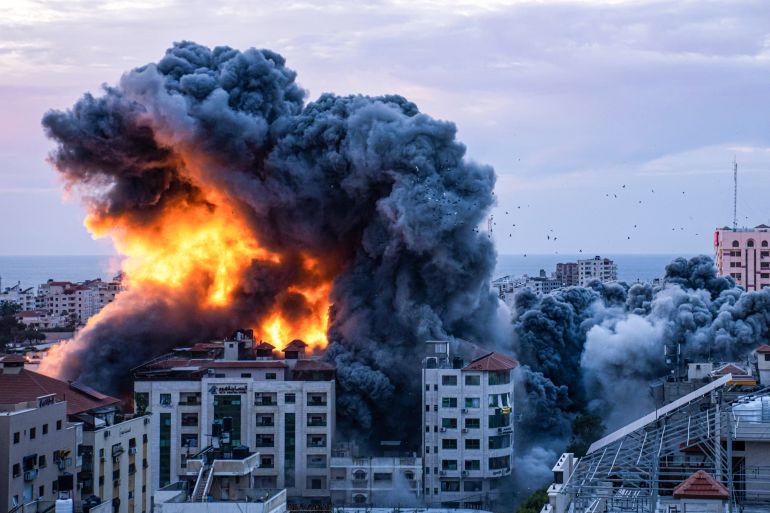
Prediction markets are assigning an 8.5% probability to a military clash between China and Taiwan before the end of 2026, with stable pricing over the past 24 hours. The market defines a qualifying event narrowly: direct military engagement including missile strikes, artillery fire, or exchange of gunfire—excluding non-violent actions such as warning shots or territorial water incursions. The distinction matters significantly, as the Taiwan Strait regularly sees provocative maneuvers that fall short of this threshold. With $1.7 million in trading volume, the market reflects meaningful liquidity and participation, suggesting informed consensus rather than fringe positioning.
Why It Matters
The probability of China-Taiwan military conflict carries outsized geopolitical weight. Any direct military engagement would immediately reshape global markets, disrupt semiconductor supply chains, and potentially trigger alliance responses from the United States and regional partners. A conflict scenario would be among the highest-consequence geopolitical events possible. Conversely, sustained low odds suggest market participants believe existing deterrence structures, diplomatic channels, and economic interdependencies remain sufficiently robust to prevent escalation to direct combat over the 14-month window, even amid rising military tensions and political rhetoric.
Key Factors
Several structural conditions support the low probability assessment. First, both sides maintain asymmetric incentives against initiation: China's military advantage grows over time, reducing urgency for near-term action, while Taiwan and its allies possess sufficient defensive capability to impose unacceptable costs on an invasion. Second, economic interdependence—particularly semiconductor trade and global supply chain integration—creates material costs to conflict for both Beijing and Taiwan's trading partners. Third, the definition's specificity matters: routine military posturing, Coast Guard encounters, and gray-zone operations occur regularly but do not qualify as resolution events. The market is pricing risk of actual kinetic warfare, not escalatory rhetoric or near-miss incidents, which occur with much higher frequency.
Outlook
The 8.5% probability could shift materially based on several developments. Significant military incidents—such as an accidental collision with casualties or a major incursion—might raise odds temporarily by demonstrating thin margins for control. Political transitions, particularly if leadership in Beijing or Taipei adopts more aggressive rhetoric or military posturing, could alter risk assessments. Conversely, substantive diplomatic engagement or agreements on military-to-military communication would likely lower the probability further. Over the next 14 months, market participants will likely monitor military incident frequency, statements from regional leaders, and any changes to the U.S. security posture toward Taiwan as key indicators of shifting conflict risk.