Market Overview
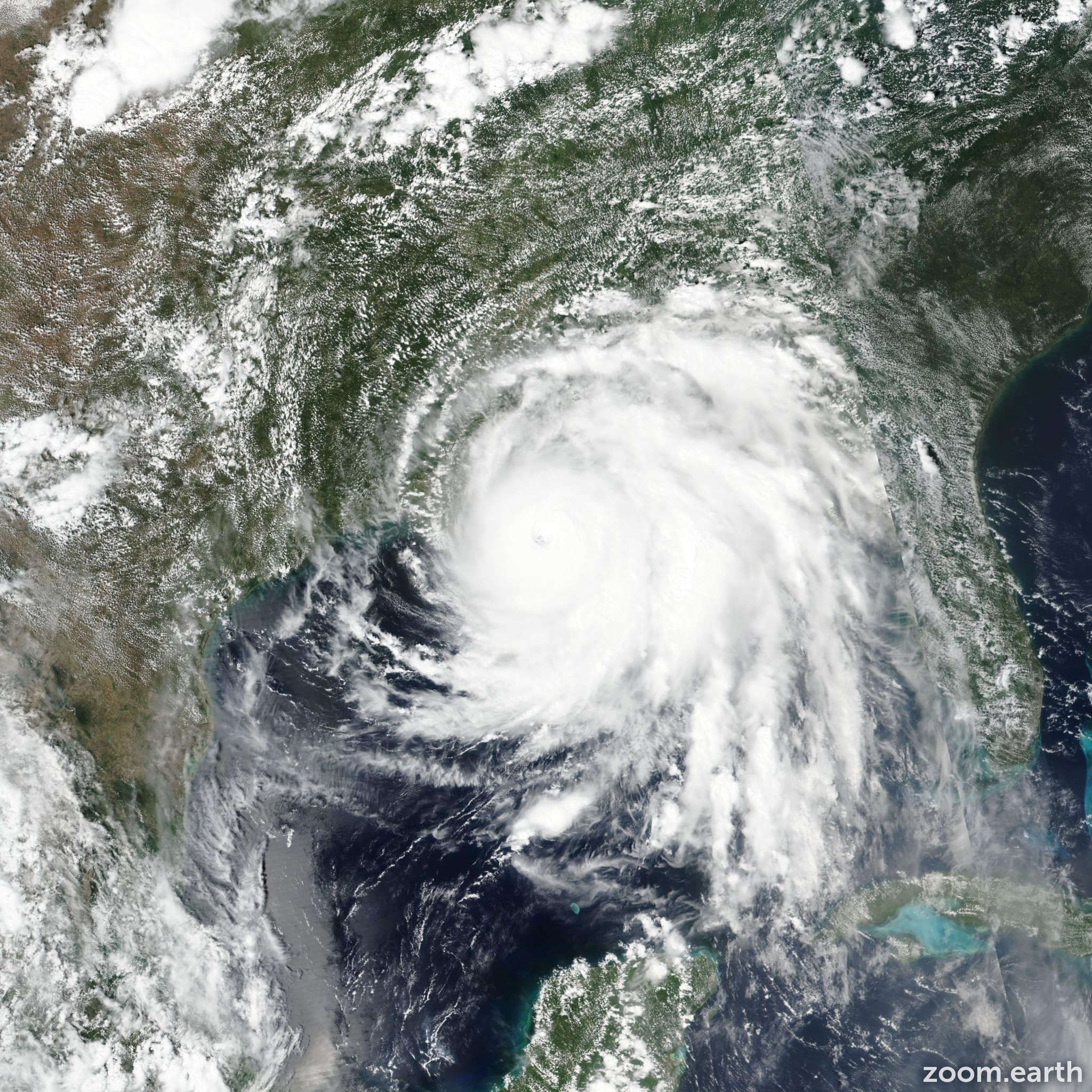
The prediction market on Category 4 hurricane landfalls has stabilized at a 35% probability, with approximately $326,300 in trading volume. The market definition is precise: it requires a hurricane with sustained winds of 130-156 mph to make landfall in the conterminous United States and be officially designated as Category 4 in initial National Hurricane Center advisories before December 31, 2026. This narrow timeframe—roughly two full Atlantic hurricane seasons—creates a bounded but realistic assessment of storm risk.
Why It Matters
Category 4 hurricanes represent the second-most intense classification on the Saffir-Simpson scale and cause catastrophic damage upon landfall. A 35% probability assigned by traders suggests meaningful but not overwhelming odds—better than a coin flip but far from certain. For coastal communities, insurers, and emergency preparedness officials, understanding the likelihood of such an event carries significant operational and financial implications. The market's stability over the past 24 hours indicates that traders view current conditions and historical patterns as pricing in a balanced baseline risk level.
Key Factors Driving Probability
Historical frequency is central to this assessment. The United States experiences a Category 4 hurricane landfall approximately once every 2-3 years on average, though these events cluster unpredictably. Since 1851, roughly 10-12 Category 4 storms have made US landfall per century. The 35% figure reflects the statistical reality that across two Atlantic hurricane seasons, a meaningful probability of exceeding this baseline exists, but it is not a likely outcome in any given period. Current atmospheric and oceanic conditions also influence trader positioning. Sea surface temperatures, the strength of the Atlantic Meridional Overturning Circulation, and typical seasonal patterns through 2026 all factor into probabilistic models underlying the market price. Additionally, the requirement for a direct landfall—not merely tropical storm-force winds or near-miss events—adds a geographic specificity that lowers the probability compared to any-Category-4-occurrence markets.
Outlook
Movements in this market would likely reflect updated climate forecasts, emerging El Niño or La Niña patterns, or significant scientific consensus shifts regarding Atlantic hurricane activity. Near-term changes would predominantly track seasonal hurricane forecasts released by NOAA each June and November. The market's structure—requiring only one qualifying event across 25 months—means that a single major hurricane season could substantially alter odds. Conversely, if the 2024 and 2025 seasons produce below-average Category 4 activity, traders may gradually lower the probability heading into late 2026, as the window for resolution narrows.