Market Overview
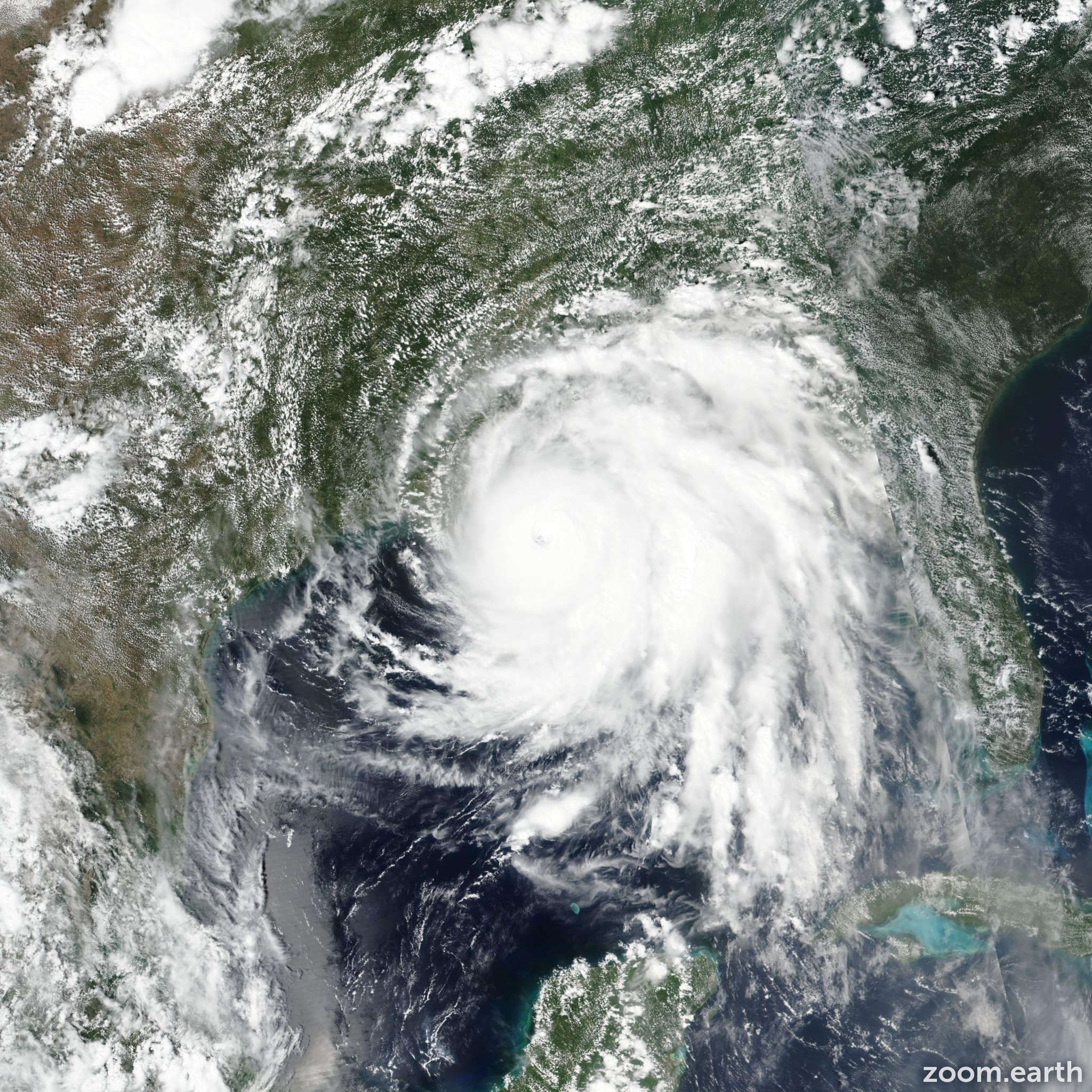
Prediction markets are currently assessing a 35% probability that a Category 4 hurricane—defined by maximum sustained winds between 130 and 156 mph—will strike the conterminous United States before December 31, 2026. The market has shown stability around this level with $326,300 in total volume traded, suggesting a degree of consensus among participants about the underlying probability despite the inherent uncertainty in hurricane forecasting.
Why It Matters
Category 4 hurricanes represent among the most destructive storms likely to make landfall, capable of causing catastrophic damage to infrastructure, significant loss of life, and economic losses potentially exceeding tens of billions of dollars. Understanding the probability of such events is valuable for insurance companies, disaster preparedness agencies, and coastal communities planning risk mitigation strategies. The current 35% odds suggest market participants view such a strike as meaningful but not the most likely outcome over the roughly three-year window.
Key Factors
Historical frequency provides the primary foundation for this probability assessment. Data from the National Hurricane Center shows that major hurricanes (Category 3 or higher) make U.S. landfall roughly once every two to three years on average, with Category 4 storms being significantly rarer—typically striking the continental U.S. only once every several years. The market's 35% probability for a Category 4 landfall across a 24-month period aligns with this historical pattern, accounting for the specific intensity threshold and geographic constraints. Atlantic basin activity during the 2025 and 2026 hurricane seasons will be the primary driver of outcomes, influenced by factors such as sea surface temperatures, atmospheric wind shear patterns, and broader climate conditions. The current El Niño or La Niña state in the Pacific, Atlantic Multidecadal Oscillation phase, and other climate indices contribute to seasonal forecast confidence but offer limited precision for individual storm intensity predictions.
Outlook
The market will likely remain sensitive to seasonal hurricane outlooks released by NOAA and the National Hurricane Center, which typically arrive in May and August each year and incorporate updated climate forecasts. Actual hurricane seasons producing multiple strong storms could shift probabilities higher, while particularly quiet seasons would suggest lower odds. Since this market resolves based on the initial National Hurricane Center advisory determination of landfall location and Category strength—rather than retrospective analysis—the precise wording and timing of NHC official statements will ultimately determine the outcome. Participants should monitor both the 2025 and 2026 Atlantic hurricane seasons closely, as the window for resolution continues to narrow.