Market Overview
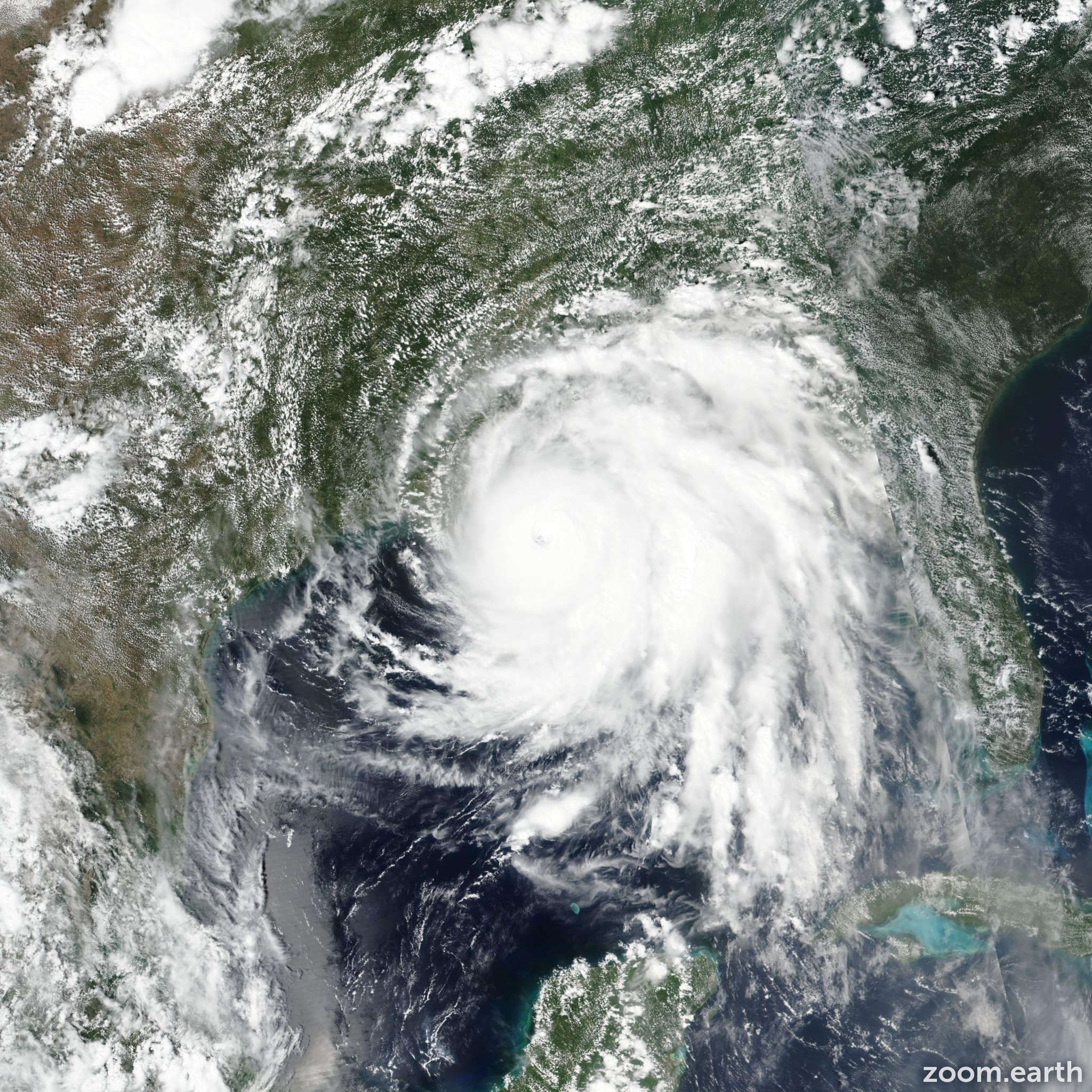
The prediction market currently values the likelihood of a Category 4 hurricane landfall in the contiguous United States before December 31, 2026, at 35%, with $326,300 in trading volume. This probability reflects an intermediate assessment neither dismissing nor heavily favoring the prospect of a major hurricane strike during this period. The market has remained stable at this level over the past 24 hours, suggesting a degree of consensus among traders on the underlying risk.
Why It Matters
Category 4 hurricanes represent a significant threshold in storm severity, with sustained winds between 130-156 mph capable of causing catastrophic damage to infrastructure, disrupting regional economies, and threatening lives across affected areas. Understanding the probability of such events occurring helps insurance companies, emergency management agencies, and coastal communities assess preparedness needs and allocate resources appropriately. The specific focus on the contiguous United States and a defined timeframe provides a quantifiable measure of extreme weather risk that extends beyond typical seasonal forecasting.
Key Factors Driving Probability
Several factors inform the 35% assessment. Historically, Category 4 hurricanes strike the contiguous US mainland with measurable but not frequent regularity—they occur in some years and not others, with substantial variability based on Atlantic hurricane activity, atmospheric conditions, and geographic chance. The two-year window represented by 2025-2026 captures two full Atlantic hurricane seasons, theoretically increasing the probability relative to single-season forecasts. However, seasonal variability remains significant; some years produce active hurricane seasons with multiple major storms, while others see relatively benign conditions. Current climate patterns, sea surface temperatures, and atmospheric indices that influence hurricane formation and trajectory are monitored by meteorological experts, though long-range seasonal outlooks for 2026 remain subject to considerable uncertainty at present.
Outlook and Market Drivers
The market probability could shift in response to several developments. Updated seasonal hurricane forecasts from NOAA and other meteorological agencies, particularly if they suggest heightened activity, could increase the implied probability. Major hurricanes that approach or threaten the US coast during the 2025 season would provide real-world evidence relevant to future expectations. Conversely, an unusually quiet 2025 hurricane season would likely lower probability assessments for a 2026 Category 4 landfall. Scientific literature on long-term climate trends and their impact on hurricane formation could also influence trader assessments, though such effects typically manifest gradually rather than through discrete events.