Market Overview
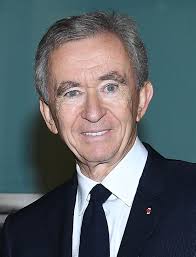
Bernard Arnault, chairman of luxury conglomerate LVMH, is trading at just 1.1% odds of topping the Bloomberg Billionaires Index on December 31, 2026. The market has remained flat at this level over the past day, with $362,312 in trading volume, suggesting consensus among participants that the probability is set appropriately. The odds reflect a view that Arnault would need extraordinary circumstances—both favorable developments for his wealth and adverse moves for rivals—to reclaim a position he has held at various points in recent years.
Why It Matters
Whoever ranks as the world's wealthiest person carries symbolic significance as a measure of global wealth concentration and the performance of major business empires. The outcome depends heavily on real-time asset valuations, particularly stock prices of companies like LVMH (for Arnault), Tesla (linked to Elon Musk), and investments held by other ultra-high-net-worth individuals. For markets tracking billionaire wealth rankings, small percentage probabilities underscore how tightly clustered the competition at the top has become, with leadership positions frequently shifting based on daily market movements.
Key Factors
Arna ult's position relative to competitors hinges on several variables. LVMH's stock performance directly impacts his net worth; luxury sector demand, particularly in China, will influence the company's valuation. Simultaneously, the fates of other billionaires—especially Elon Musk's Tesla holdings, Jeff Bezos' Amazon stake, and other major wealth concentrations—matter equally. Currency fluctuations also play a role, as several top billionaires hold assets in different denominations. The 1.1% probability suggests markets see current frontrunners as maintaining substantial leads unless major corporate or personal circumstances shift dramatically. Arnault's age (75) and the stable nature of his LVMH stake contrast with the higher volatility of newer billionaire fortunes tied to tech stocks.
Outlook
For Arnault's odds to improve meaningfully, LVMH would likely need to outperform expectations over the next two years while competitors experience relative weakness in their core assets. A major market correction affecting tech stocks, for instance, could help his relative standing, though it would not guarantee the top position. Conversely, if luxury consumption momentum accelerates—particularly in Asia—his wealth could grow faster than currently expected. Traders can monitor quarterly earnings reports, stock price trends, and any strategic acquisitions or divestitures by Arnault or other billionaires for indicators of shifting probabilities. The flatness of trading volume and price stability suggests the market has settled on 1.1% as a fair reflection of this unlikely but non-negligible scenario.