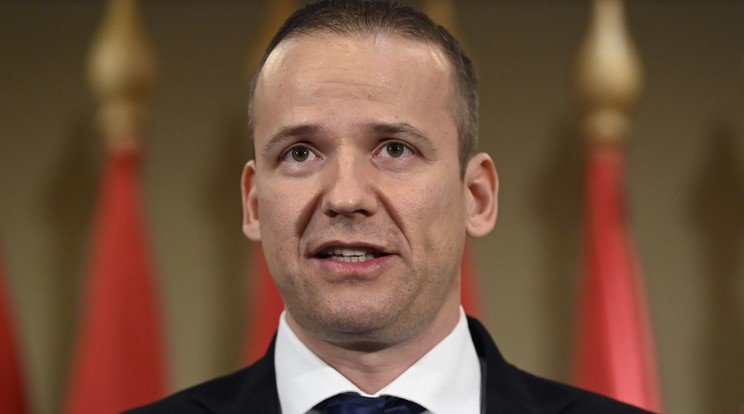
Market Overview
Clémentine Autain, the French left-wing politician and co-president of La France Insoumise, is trading at a 0.7% probability of winning the 2027 French presidential election in prediction markets, with total volume reaching $1.81 million. The probability has ticked upward from 0.4% a day prior, though the movement remains marginal in absolute terms. In France's two-round electoral system, a candidate must exceed 50% in the first round to win outright, with the top two finishers advancing to a runoff if no candidate achieves that threshold. At current odds, market participants assign Autain roughly a 1-in-143 chance of ultimately prevailing.
Why It Matters
Autain's market valuation carries significance for assessing the French left's electoral prospects and the broader fragmentation of French politics heading into 2027. Her positioning within La France Insoumise, a party that achieved notable parliamentary gains in 2022, means her candidacy—or lack thereof—will shape the strategic calculation of left-wing voters and whether the left will consolidate around a single standard-bearer or divide the progressive vote. At 0.7%, the market is signaling that while Autain may be a visible political figure, the path to the presidency remains extraordinarily narrow, particularly given the traditional dominance of centrist and conservative candidates in French runoffs.
Key Factors
Several structural factors constrain Autain's electoral ceiling in market pricing. First, France's two-round system has historically favored more centrist or establishment-backed candidates in the final runoff, as extreme-left positions struggle to attract moderate voters necessary for a majority. Second, La France Insoumise has not produced a victorious presidential candidate, with Jean-Luc Mélenchon's past campaigns failing to reach the second round despite solid first-round performances. Third, internal fragmentation on the left remains a persistent challenge; multiple progressive candidates often split the left-wing vote, reducing any single candidate's viability. Additionally, approximately three years remain until the election, allowing time for political realignment, scandals, or the emergence of alternative left-wing leadership. The modest recent uptick in Autain's odds may reflect minor shifts in sentiment or increased market activity rather than fundamental reassessment of her candidacy.
Outlook
For Autain's probability to move meaningfully higher, several developments would be required: consolidation of the French left around her as the unified standard-bearer, a significant weakening of centrist incumbents or frontrunners, or a major shift in French political sentiment toward far-left positions. Conversely, her odds could compress further if competing left-wing figures gain prominence or if mainstream polling continues to exclude her from realistic contention. Market participants will likely monitor internal La France Insoumise dynamics, nationwide polling trends as 2027 approaches, and whether centrist-right fragmentation creates unexpected openings for leftist candidates. Given current market depth and her sub-1% positioning, substantial new information or political disruption would be required to materially alter her electoral prospects.