Market Overview
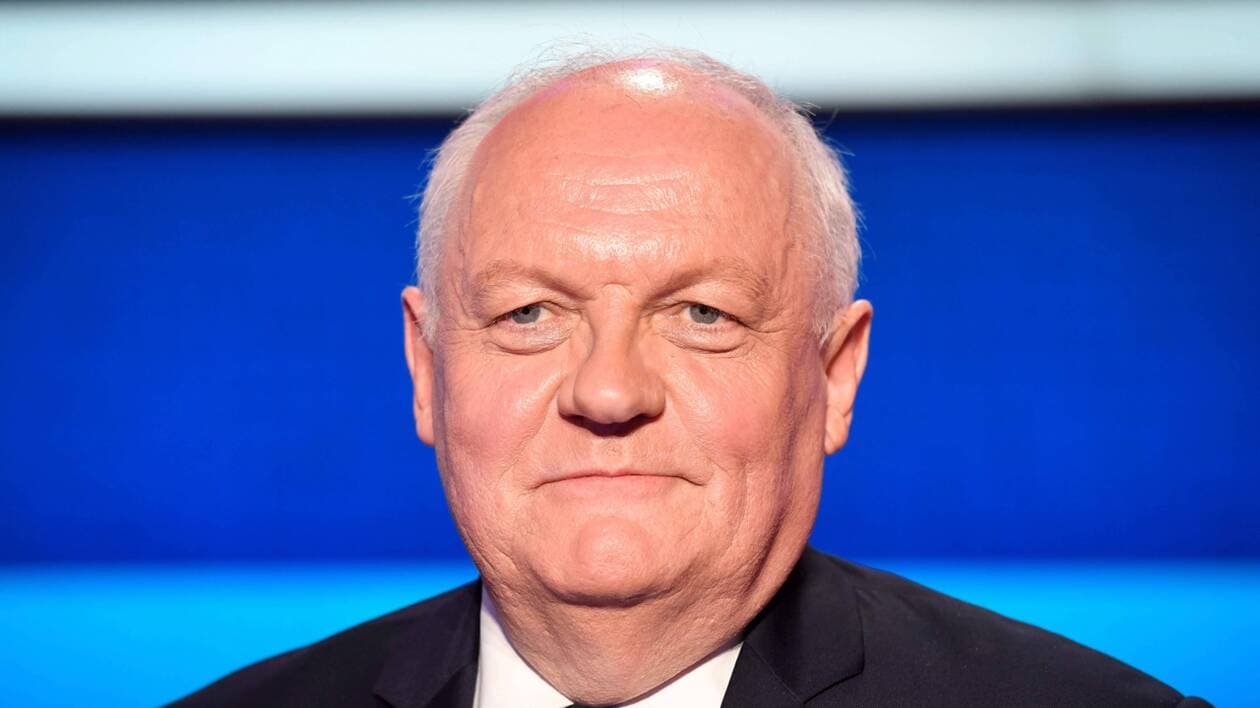
Prediction markets are pricing François Asselineau's chances of winning the 2027 French presidential election at 0.5%, a level that has remained stable over the past day despite over $2.9 million in trading volume on the market. This probability places Asselineau among the longest of long-shot candidates in a race expected to be dominated by established political figures. The French presidential system's two-round structure—requiring either an outright first-round majority or a second-round runoff between the top two finishers—sets a high institutional bar that compounds the challenge facing fringe candidates.
Why It Matters
The 2027 election will determine France's leadership during a critical period for European politics, making the composition of the race and viability of candidates a matter of broader international significance. While Asselineau's individual probability is negligible, the market's treatment of his candidacy reflects how prediction markets assess the broader French political landscape. The 0.5% odds acknowledge that while Asselineau is not a serious contender for victory, he is not entirely implausible as a candidate—he has run in previous elections and maintains a political organization through his Union Populaire Républicaine (UPR) party.
Key Factors
Asselineau's minimal probability reflects several structural constraints. His UPR party remains a fringe force in French politics, having failed to achieve meaningful parliamentary representation despite his consistent candidacies in presidential elections. In recent elections, he has garnered low single-digit percentages of the first-round vote. To win the presidency, he would need to either secure over 50% in the first round—extraordinarily unlikely given current party strength—or reach the second round as a top-two finisher, then expand his support dramatically to win the runoff. The rise of other anti-establishment and right-wing movements in France has fragmented the populist vote, further reducing Asselineau's path to relevance.
Outlook
Barring unprecedented political realignment or major events that fundamentally reshape French electoral dynamics, Asselineau's probability is likely to remain in the sub-1% range through the election. Market participants appear to be pricing in the structural reality that while France's two-round system occasionally allows unexpected candidates to reach the runoff, the leap from fringe status to actual presidential victory remains virtually impossible without a seismic shift in French politics. The stability of his odds over the recent period suggests that traders view his candidacy as a known quantity unlikely to surprise the market materially.