Market Overview
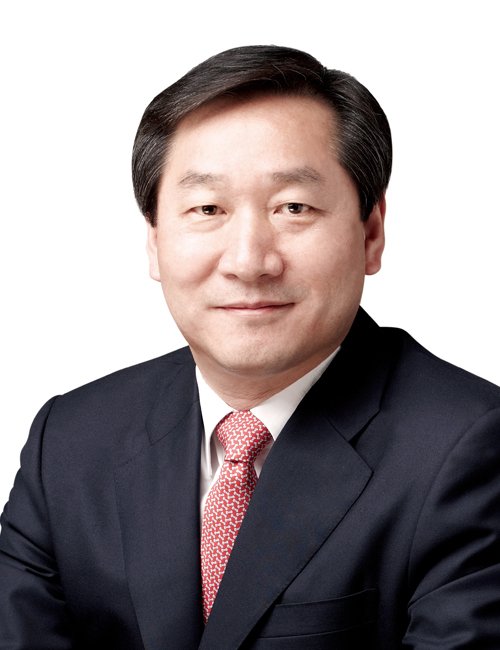
Yoo Jeong-bok is trading at 3.6% implied probability in the prediction market for the 2026 Incheon mayoral election, with volume of approximately $1.9 million indicating active interest in the race despite the candidate's modest odds. The probability has remained essentially flat over the past 24 hours, suggesting market participants have reached relative consensus on his candidacy. As a long-shot bet, the odds place Yoo among weaker contenders in what is expected to be a competitive race for the mayorship of South Korea's primary port city and fourth-largest metropolitan area.
Why It Matters
The 2026 Incheon mayoral election carries significance within South Korean electoral cycles, as local government races often presage broader political trends and serve as testing grounds for national political figures. Incheon, with a population of roughly 3 million, represents one of South Korea's most consequential municipal positions. The election will determine leadership of a city critical to the nation's economy and governance, making races for the office closely watched by political analysts. The low probability assigned to Yoo reflects either limited name recognition, lack of major party backing, or policy positioning that resonates with only a narrow segment of the electorate.
Key Factors
Several dynamics are likely shaping Yoo's long-shot status. Major party endorsements typically play a crucial role in South Korean municipal elections, and Yoo's inability to secure strong backing from the Democratic Party or People Power Party would significantly handicap his candidacy. Regional voting patterns in Incheon, which has demonstrated relative political volatility compared to other major cities, will influence the competitive landscape. Incumbent performance and public satisfaction with current city administration also matter; if the sitting mayor or their party faces widespread dissatisfaction, it could create openings for challengers, though Yoo would still need to compete against better-positioned candidates. The broader national political environment leading up to mid-2026 could shift local dynamics, particularly if major figures emerge as leading candidates.
Outlook
Unless significant developments—such as major endorsements, shifts in local politics, or changes to the broader political landscape—occur before the June 2026 election, Yoo Jeong-bok appears likely to remain a marginal figure in the race. Market participants may reassess his odds if he gains visibility through media coverage, secures unexpected backing, or if the primary frontrunners falter. The market will continue to absorb information over the next 18 months; any meaningful movement in his probability would signal evolving assessments of his viability in what remains an open electoral contest.