Market Overview
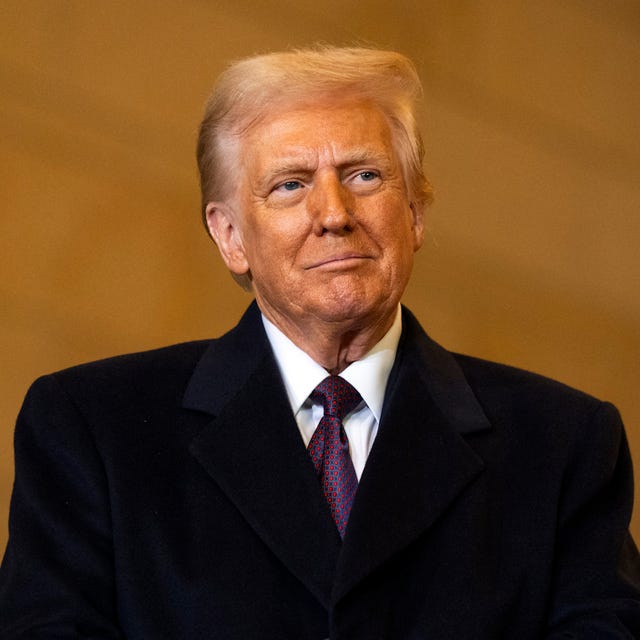
The Incheon mayoral election market is pricing Yoo Jeong-bok as a significant underdog, with traders assigning him just a 1.7% probability of victory in the June 3, 2026 contest. Despite $1.9 million in trading volume, the stable probability over the past 24 hours suggests the market has settled on a consensus view of his viability. At this probability level, the market implies roughly 58-to-1 odds against his victory, positioning him well outside the contention zone for what remains one of South Korea's key municipal races. Incheon, as the country's third-largest city and a major economic hub, typically attracts competitive races with established political figures.
Why It Matters
Incheon's mayoral position carries significant influence over a metropolitan area of roughly 3 million residents and serves as a proving ground for national political ambitions. The 2026 election falls in a critical moment of South Korean politics, coming in the middle of the presidential term that began in 2023. Local elections in Korea traditionally reflect shifting voter sentiment and can signal momentum for parties ahead of the 2027 presidential race. A candidate's performance in a major city race can substantially affect their national political profile, making even seemingly secondary races worth monitoring for traders and political analysts.
Key Factors
Several dynamics likely inform the market's assessment of Yoo's prospects. The extremely low probability suggests traders view him as either a relatively unknown figure, lacking major party backing, or facing significant structural disadvantages compared to likely frontrunners. South Korean mayoral elections typically center on well-established political networks, party endorsements, and track records in governance or national politics. Without clarity on whether Yoo represents an incumbent seeking reelection, a party-backed challenger, or an independent candidate, markets may be defaulting to low baseline probabilities for non-obvious contenders. Additionally, nearly two years remain until the election—a timeframe in which candidate lineups, party dynamics, and voter sentiment can shift substantially, yet the market's stable odds suggest current information is relatively fixed.
Outlook
The 1.7% probability could shift significantly if major developments emerge: Yoo securing a major party nomination, prominent endorsements, or evidence of strong local support could substantially raise his odds. Conversely, scandals, withdrawal from the race, or consolidation around rival candidates could push him further to the margins. Traders should monitor South Korean political developments, particularly party strategy announcements for the 2026 local elections cycle, which typically intensify in 2025. The market's current pricing reflects deep skepticism, but with election day still distant and key candidates potentially still undeclared, substantial repricing remains possible if new information emerges about Yoo's campaign organization or political positioning.