Market Overview
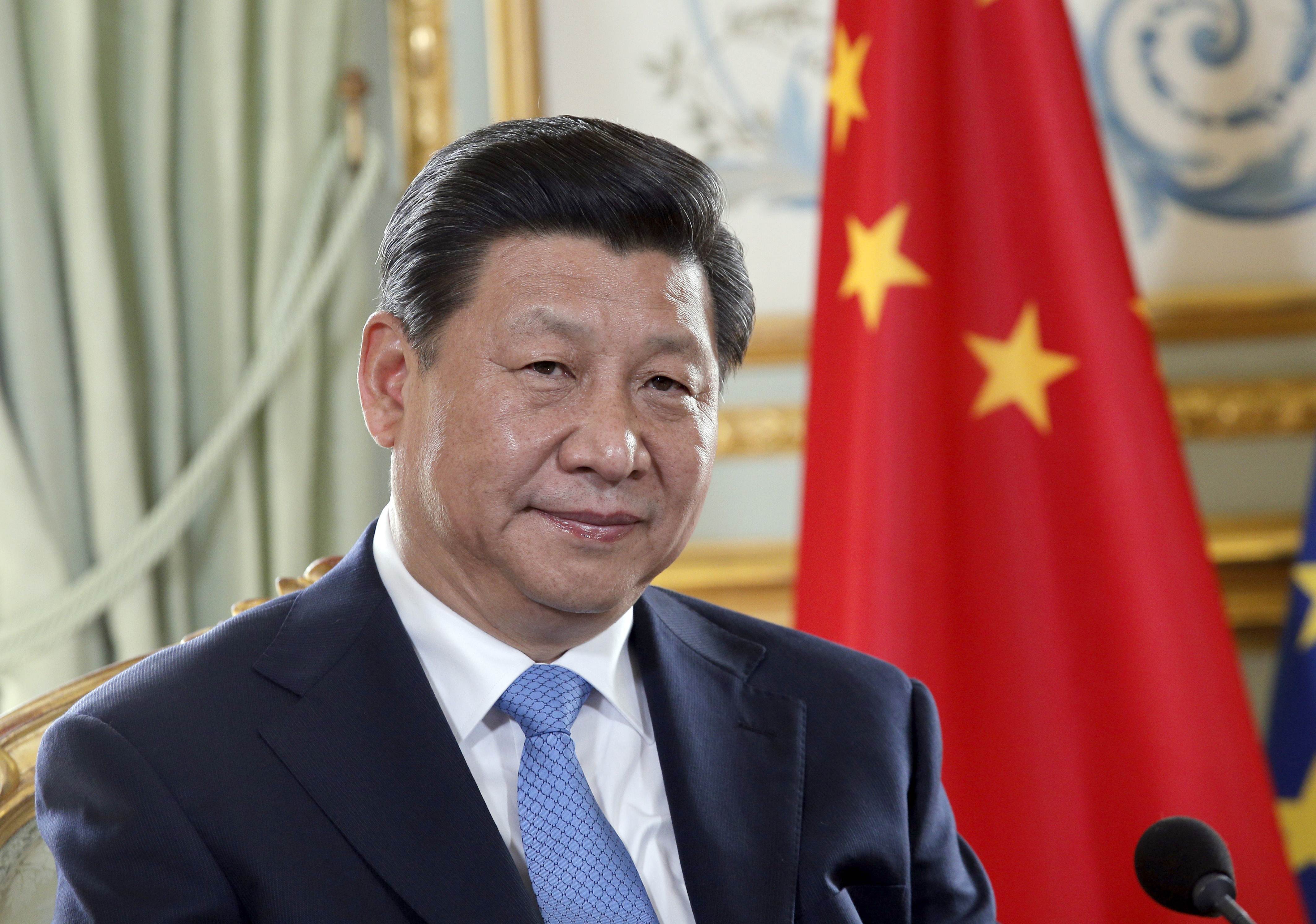
Prediction market participants are assigning a 2.2% probability to the removal of Xi Jinping as General Secretary of the Communist Party of China by June 30, 2026. With over $2 million in trading volume, the market reflects a broad consensus that the likelihood of Xi losing his position remains negligible in the near term. The probability has remained stable at this level, indicating little expectation of near-term shifts in China's political leadership.
Why It Matters
Xi Jinping's position as the paramount leader of China carries implications extending far beyond domestic politics. As the country's most powerful figure and head of the world's second-largest economy, any disruption to his leadership could reshape geopolitical relationships, trade dynamics, and regional security. The prediction market odds suggest investors and analysts see the institutional mechanisms that have consolidated power around Xi as sufficiently durable to weather potential challenges through the first half of 2026. This assessment has broader implications for global stability and for those making long-term business or policy decisions tied to Chinese leadership continuity.
Key Factors
Several structural elements support the low-probability assessment. China's one-party system lacks institutionalized mechanisms for leadership turnover comparable to democratic systems, making voluntary or forced removal a historically rare occurrence. Xi has consolidated considerable authority within the Communist Party's leadership structures and the broader state apparatus since 2012. The market's definition of removal—including resignation, dismissal, detention, or disqualification—casts a wide net, yet even this broad threshold commands minimal probability weight.
However, potential pressure points exist. Economic headwinds, including property sector challenges and slower growth, could theoretically create internal party tensions. International sanctions or military confrontation, particularly over Taiwan, represent tail-risk scenarios that could destabilize the political equilibrium. Additionally, factional disputes within the Communist Party, while typically opaque to external observers, could theoretically escalate. Yet none of these factors appear to be pricing significantly into the market's current assessment.
Outlook
The market probability suggests that absent major geopolitical shocks or unpredictable internal party developments, expectations for Xi's continuity in power remain high. Movements in this probability would likely correspond to either visible deterioration in China's economic conditions, open signs of elite party conflict, or major international crises that could destabilize the current political arrangement. For now, prediction market participants are treating Xi's leadership as a stable baseline assumption through mid-2026.