Market Overview
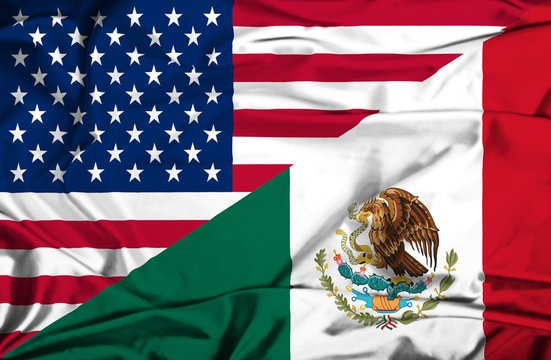
A specialized prediction market focused on the possibility of a US-initiated aerial strike on Mexico is currently trading at 14% probability of occurrence by December 31, 2024. The market has maintained this level over the past 24 hours with modest trading volume of approximately $616,000, indicating sustained but measured interest among participants. The contract defines qualifying strikes narrowly—limited to aerial weapons including drones, missiles, and bombs launched by US military, intelligence, or government operatives that physically impact Mexican territory. Intercepted missiles and non-aerial military actions do not count toward resolution.
Why It Matters
The existence and pricing of this market reflects genuine uncertainty about escalating US-Mexico tensions, despite the low baseline probability. Such a strike would represent an unprecedented breach of hemispheric norms and could trigger severe diplomatic, economic, and security consequences. Mexico is a core US trading partner and neighbor, and military action would fundamentally alter the bilateral relationship. The market's pricing suggests that while traders believe such an outcome remains improbable, recent geopolitical statements have injected enough uncertainty to justify material odds above zero.
Key Factors
The current 14% probability appears anchored to several considerations. First, recent rhetoric from US political leadership has included references to military operations targeting non-state actors and criminal organizations operating from Mexican territory, particularly in the context of transnational cartel violence and fentanyl trafficking. Second, the distinction in the market's definition—accepting strikes claimed by either Trump or the US government as sufficient for resolution—suggests traders are pricing in the possibility of unilateral executive action without prior congressional authorization. Third, the narrow definition excluding interception and limiting strikes to specific weapons types reflects the contract designer's attempt to prevent ambiguous edge cases. However, the historical absence of such strikes and Mexico's status as a sovereign neighbor with which the US maintains formal diplomatic relations serve as significant headwinds against higher probabilities.
Outlook
Monitoring this market in the weeks ahead will provide insight into how traders assess shifting geopolitical risk. Any escalation in cartel violence, major transnational criminal incidents affecting US citizens, or intensification of official rhetoric regarding cross-border operations could drive the probability upward. Conversely, diplomatic initiatives, official statements ruling out such operations, or de-escalation in US-Mexico tensions would likely compress odds further. The market's current stability at 14%—neither rising nor falling sharply—suggests traders see the baseline as reflecting genuine but not elevated risk, pending new developments.