Market Overview
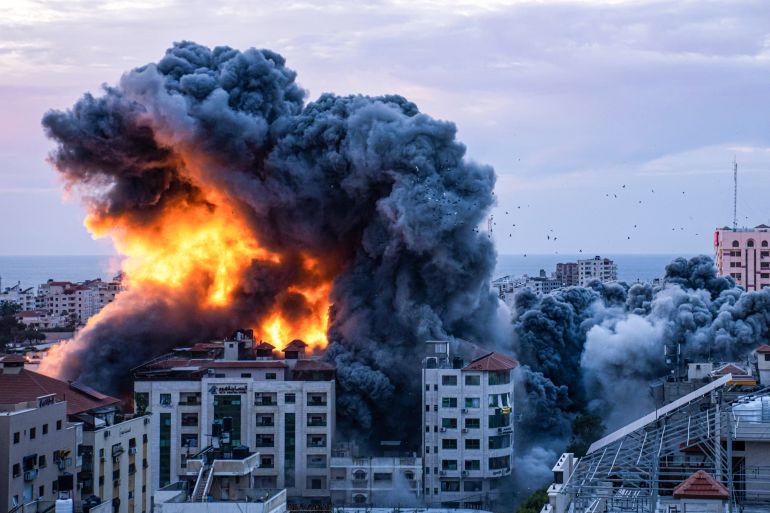
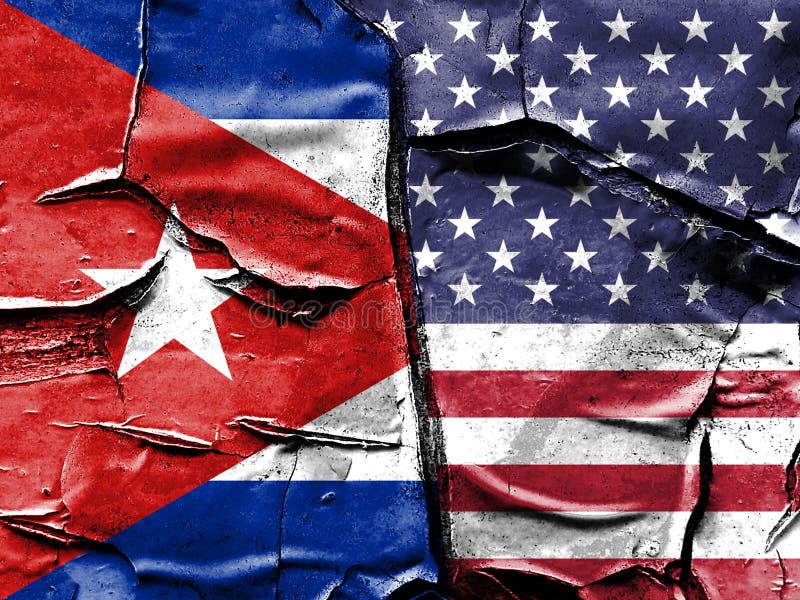
A prediction market tracking the possibility of a US-initiated strike on Cuba is currently priced at 36.5% probability, with over $1 million in trading volume. The market defines a qualifying strike narrowly as aerial bombardment using drones, missiles, or bombs that physically impact Cuban territory—excluding intercepted ordnance, naval shelling, or cyber operations. The relatively substantial odds suggest traders view the scenario as plausible but far from likely, with a two-thirds consensus expectation that no strike will occur before year-end.
Why It Matters
A direct US military strike on Cuba would represent a significant escalation in hemispheric relations and mark a dramatic departure from decades of post-Cold War norms. Such action would carry major geopolitical implications, potentially reshaping US-Latin American relations and triggering international responses. The market's willingness to price in a meaningful probability reflects genuine uncertainty about future US foreign policy decisions and how ongoing regional developments might unfold, making this an indicator of perceived risk in a strategically sensitive region.
Key Factors
Several dynamics appear to be influencing the current probability. Recent US political developments and rhetoric regarding Cuba, as well as any incidents involving US interests, could be driving the baseline assessment. The market's 36.5% reading suggests traders believe the scenario has moved beyond negligible but remains unlikely—a state reflecting both awareness of policy change potential and recognition of significant institutional and diplomatic barriers to such action. The stability in pricing over the past 24 hours indicates no fresh catalyst has sharply shifted trader sentiment, though the substantial volume suggests active debate about the underlying probability.
Outlook
The market will likely remain responsive to geopolitical developments, policy announcements, or incidents that could alter calculations about escalation risk. Movements would most logically stem from shifts in US-Cuba relations, changes in regional security dynamics, or statements from US leadership regarding military posture. Given the specific resolution criteria—requiring credible reporting of an actual strike—the market ultimately tests whether traders believe the gap between rhetoric and military action will be bridged before year-end.