Market Overview
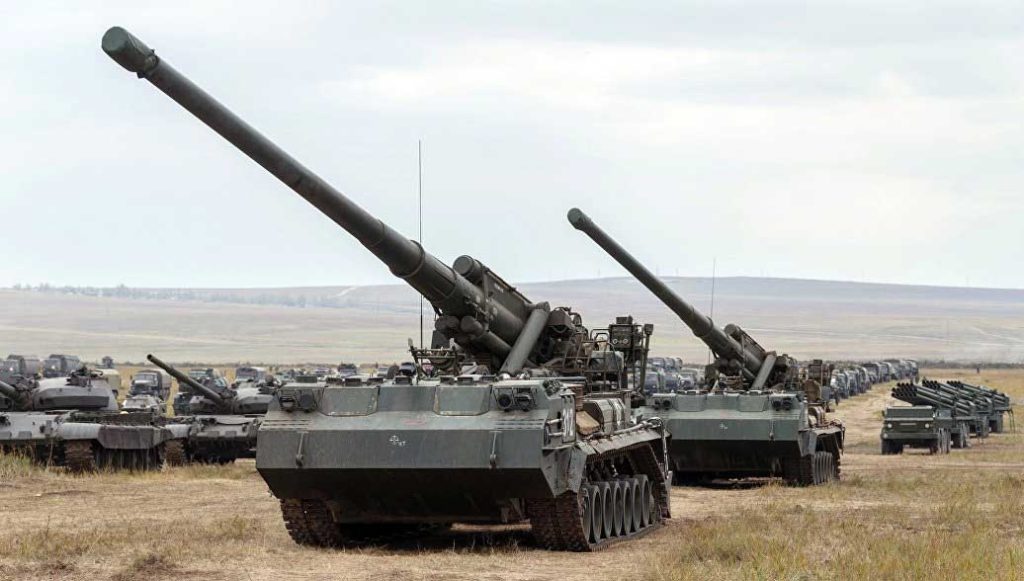
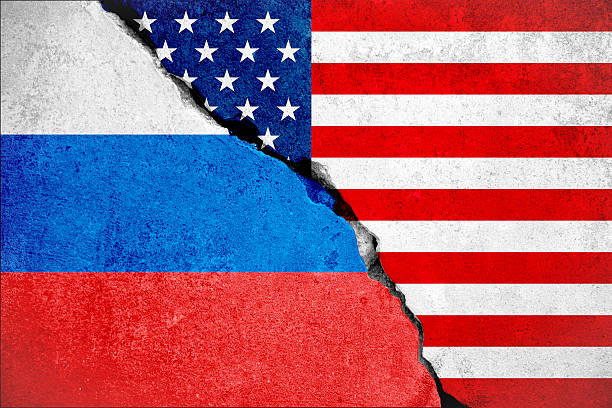
The prediction market for a direct US-Russia military clash by December 31, 2026 is trading at 4.0% probability, up marginally from 3.7% a day prior. With over $1 million in volume, the market reflects a consensus view among traders that kinetic conflict between the two military powers is unlikely in the specified timeframe. The question's narrow definition of \"military encounter\"—requiring actual use of force such as missile strikes, artillery, or gunfire—excludes non-violent confrontations like airspace violations, warning shots, or accidental collisions, focusing resolution squarely on intentional armed engagement.
Why It Matters
Direct military confrontation between the United States and Russia would represent a dramatic escalation with global implications, potentially destabilizing international security architecture and triggering broader geopolitical realignment. The current probability assessment suggests market participants believe existing deterrence mechanisms, diplomatic channels, and mutual interest in avoiding nuclear-armed conflict remain sufficiently robust to prevent escalation to kinetic warfare over the 24-month horizon. However, the non-zero probability acknowledges genuine risks inherent in superpower competition, particularly given ongoing tensions in Eastern Europe, Syria, and the Arctic, as well as the possibility of miscalculation or accidental escalation.
Key Factors Driving the Assessment
Several structural factors appear to underpin the market's low probability estimate. First, both the US and Russia maintain decades of experience managing Cold War-style coexistence and proxy conflicts without direct engagement, suggesting established patterns of restraint. Second, the catastrophic consequences of nuclear-armed conflict create powerful incentives for both sides to maintain red lines and de-escalation mechanisms. Third, current geopolitical competition, while tense, remains largely confined to proxy theaters—Syria, Ukraine (where direct US-Russia combat has not materialized), cyberspace, and diplomatic contests—rather than head-to-head military operations. The relatively short two-year timeframe also limits the window for unforeseen developments to trigger escalation.
However, several developments could shift probabilities higher. Unexpected escalation in Ukraine involving deeper US military involvement, miscalculation in Syria or the Black Sea, or accidental incidents between NATO and Russian forces that spiral beyond control represent tail risks. China-related crises, Arctic disputes, or technological accidents in surveillance or cyber operations could also create pathways to unintended military contact.
Outlook
The 4% market price appears to reflect a \"hope for the best, prepare for the worst\" equilibrium, where traders believe the base case remains continued competition short of armed conflict, but assign meaningful probability to black swan scenarios. Any material increase in direct military operations, failed diplomatic communication, or statements signaling reduced restraint would likely shift market odds materially higher. Conversely, successful de-escalation efforts or reduced tensions would be expected to compress the probability further toward 1-2%, approaching the market's assessment of truly catastrophic but theoretically possible events.