Market Overview
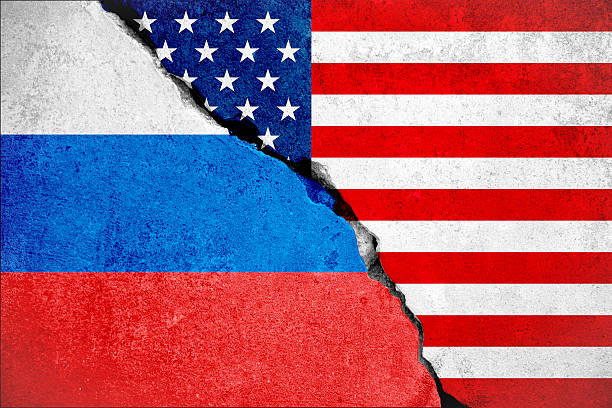
Prediction market participants are pricing the likelihood of a direct military encounter between United States and Russian forces at 3.7% through the end of 2026, based on a market showing $1.06 million in trading volume. The probability has declined marginally from 4.1% twenty-four hours prior, indicating a slight reduction in near-term escalation concerns among traders. The market's definition of military encounter is strictly delimited to incidents involving active use of force—missile strikes, artillery fire, or direct gunfire—explicitly excluding non-violent airspace violations, warning shots, cyberattacks, and intentional physical collisions such as the 2023 Black Sea incident where a Russian fighter jet damaged a US MQ-9 Reaper drone.
Why It Matters
A direct military clash between the world's two largest nuclear powers would represent a significant escalation from the current proxy conflict dynamics in Ukraine and would carry substantial implications for global stability, financial markets, and NATO alliance cohesion. The narrow definition employed by this market—requiring actual weaponized force rather than the incidents that have already occurred in contested airspace and waters—sets a high threshold for resolution. This distinction is critical: traders are not pricing the probability of provocative incidents or near-misses, which have occurred periodically over the past decade, but rather the likelihood of crossing into kinetic warfare between the two militaries themselves.
Key Factors
Several structural elements underpin the market's current assessment. The ongoing conflict in Ukraine, while intense, has been carefully managed by both Washington and Moscow to avoid direct military confrontation, suggesting both sides recognize escalation risks. The presence of NATO borders with Russia and the concentration of US military assets in Eastern Europe create persistent friction points, yet established channels of military communication, nuclear deterrence frameworks, and mutual recognition of catastrophic consequences appear to be constraining behavior. Conversely, the unpredictable nature of proxy warfare, the potential for miscalculation in contested airspace or waters, and the evolution of Ukraine's conflict over the next two years represent sources of tail risk. The market's 3.7% figure implies roughly a one-in-27 chance of such an encounter within the specified timeframe—low but material enough to warrant trading activity.
Outlook
Movement in this market probability will likely track developments in Ukraine, statements from US and Russian military leadership regarding rules of engagement, and any incidents that approach the boundary between hostile actions and direct armed conflict. The current pricing suggests confidence in continued strategic restraint, but the narrow margin between proxy conflict and direct warfare means significant probabilities could shift rapidly following specific triggering events—such as major NATO military deployments, Russian military escalation in contested regions, or accidents in heavily militarized zones. Traders monitoring this market should watch for signals from both governments regarding red lines and for any incidents in the Black Sea, Eastern Europe, or Arctic that could be interpreted as deliberate rather than accidental.