Market Overview
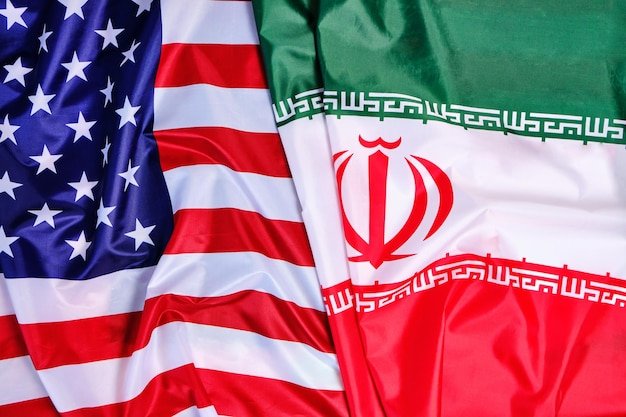
A prediction market on whether the United States and Iran will establish a permanent peace deal by May 31, 2026, currently stands at 23.5% implied probability, down from 29.5% twenty-four hours prior. The market has generated $8.6 million in volume, indicating substantial trader interest in the outcome. The resolution criteria require either a formally signed written agreement or joint public confirmation from both governments that a definitive peace accord has been reached—excluding temporary ceasefires or statements of negotiating progress.
Why It Matters
A permanent US-Iran peace deal would represent one of the most significant geopolitical shifts in recent decades, potentially reshaping Middle Eastern stability, global energy markets, and international relations architecture. The current odds reflect market participants' assessment that such a comprehensive diplomatic resolution remains unlikely within the specified 16-month timeframe, despite periodic ceasefire announcements and diplomatic engagement. The recent decline in probability suggests traders are incorporating either new information or a reassessment of diplomatic momentum.
Key Factors
Several structural elements influence the market's pricing. First, the requirement for a \"permanent\" agreement with explicit language about ceasing military hostilities sets a high bar—temporary ceasefires or extensions, even if announced, would not qualify. Second, the resolution criteria mandate formal government action, not merely negotiating progress, which historically represents a lengthy diplomatic process. Third, the timeframe is relatively compressed; 16 months leaves limited runway for negotiating, ratifying, and implementing comprehensive peace architecture between adversaries with decades of tension. Geopolitical volatility, domestic political considerations in both countries, regional proxy conflicts, and the positions of third-party stakeholders all add complexity to achieving a binding accord.
Outlook
For the probability to move materially higher, markets would likely require credible signals of advanced-stage bilateral negotiations, high-level engagement, or statements indicating both sides have committed to permanent cessation frameworks. Conversely, escalatory incidents, political transitions, or public rejection of peace talks by either government could push odds lower. The 23.5% reading suggests traders view a permanent deal as plausible but far from the base case—reflecting the substantial diplomatic lift required and the historical difficulty in resolving US-Iran tensions. Any substantive development in bilateral channels or major regional incident would likely trigger significant repricing.